Understanding the Paperi Font: A Unique Choice for Bold Typography
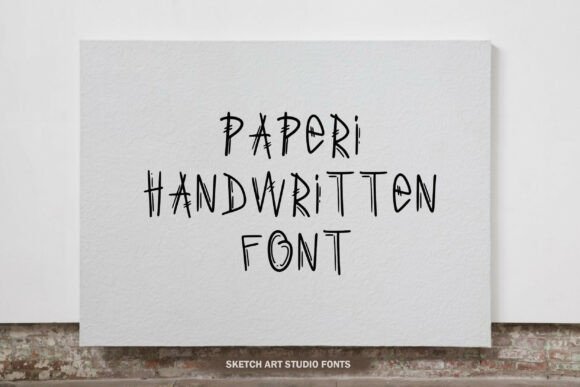
Typography plays a critical role in shaping how audiences perceive visual content. Among the many typefaces available, Paperi stands out as a distinctive option for those seeking a bold, unconventional aesthetic. Paperi is a handwritten display font characterized by its angular, fragmented letterforms and sharp, thin slashes that cross through strokes. This design gives the font an intense, chaotic energy that evokes the feeling of text scratched into a surface. It’s especially effective for projects that aim to convey a sense of unease, disruption, or artistic abstraction.
What Makes Paperi Unique?
The Paperi font is immediately recognizable due to its hand-drawn appearance and the jagged, almost violent interruptions across its letterforms. These slashes create a visual texture that mimics the imperfections of physical media, such as scratched wood or torn paper. This effect contributes to Paperi’s unsettling and dynamic character, making it a powerful choice for specific design contexts.
Unlike traditional handwritten fonts that aim for legibility and fluidity, Paperi embraces disruption. Its high-contrast strokes and erratic structure set it apart from smoother, more conventional display fonts. Designers who want to evoke a sense of tension or raw emotion often turn to Paperi to achieve that effect. The font’s scratchy aesthetic makes it ideal for titles and short-form text rather than long blocks of body copy, where readability becomes a priority.
Comparing Paperi with Similar Display Fonts
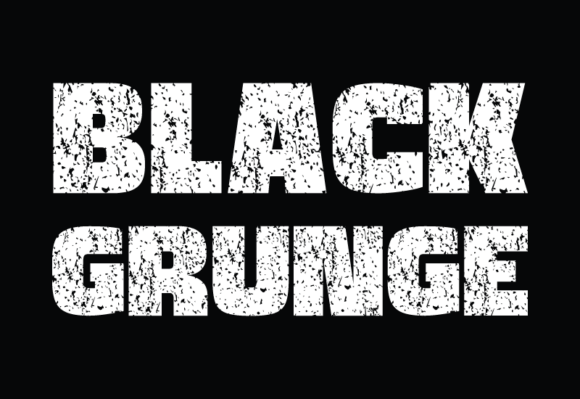
When evaluating display fonts for edgy or artistic projects, Paperi often comes up alongside other handwritten or distressed typefaces. However, its unique visual language distinguishes it from alternatives that may lean more toward grunge, graffiti, or vintage styles. Many similar fonts use texture overlays or rough edges to simulate wear, but Paperi integrates its disruptive elements directly into the character shapes, resulting in a more cohesive and intentional design.
For example, some fonts achieve a chaotic look through added noise or uneven baselines, which can sometimes feel gimmicky. In contrast, Paperi’s angular cuts are deliberate and structural, giving the font a more refined sense of intensity. This makes it particularly effective for projects that require a balance between rawness and readability, such as horror-themed posters or album art for dark music genres.
Strengths and Limitations of Paperi
One of Paperi’s most notable strengths is its ability to command attention. Its jagged, fragmented appearance ensures that any text set in Paperi stands out, making it an excellent choice for headlines, logos, or short bursts of text where impact is key. It excels in contexts that benefit from a sense of urgency, danger, or psychological tension, such as horror film titles, thriller book covers, or alternative music branding.
However, Paperi’s stylistic intensity also limits its versatility. Due to its complex letterforms and lack of uniformity, it can be difficult to read in smaller sizes or in longer passages. This makes it unsuitable for body text or designs that require clarity and legibility. Additionally, its visual weight may overwhelm more subtle design elements, so it works best when used sparingly and paired with simpler supporting typography.
Best Use Cases for Paperi
Paperi is particularly well-suited for projects that aim to evoke strong emotional responses or challenge visual norms. It has found a niche in the horror and psychological thriller genres, where its unsettling appearance aligns with the tone of the content. Designers working on movie posters, book covers, or promotional materials for dark-themed events often use Paperi to reinforce the mood visually.
In the music industry, Paperi has been used effectively in branding for alternative, punk, and experimental genres. Its chaotic aesthetic resonates with artists who want to convey rebellion or artistic disruption. Beyond entertainment, Paperi can also be used in abstract art installations or conceptual design projects where typography is meant to be part of the visual experience rather than just a textual element.
When to Consider Alternatives
While Paperi offers a unique visual impact, it may not be the right choice for every project. Designers working on more traditional or commercial applications—such as corporate branding, educational materials, or clean web interfaces—may find Paperi too disruptive. In such cases, other display fonts that maintain a sense of style without sacrificing readability may be more appropriate.
For example, if the goal is to convey a sense of handwriting without the chaotic energy of Paperi, a smoother script or brush font might be a better fit. Similarly, if the design requires a distressed look but with more flexibility for different text lengths, a font with modular distressing effects or layered textures could offer more versatility. Paperi’s strength lies in its singularity, but that same quality can be a drawback when broader usability is required.
Designing with Paperi: Practical Tips
To make the most of Paperi in a design project, consider the following practical approaches:
- Use it for short text: Paperi works best in headlines, titles, and captions where visual impact is prioritized over extended reading.
- Pair with clean supporting fonts: Balance Paperi’s complexity by pairing it with simple sans-serif or serif fonts for body text or secondary information.
- Experiment with color and texture: Paperi’s sharp slashes can be enhanced with contrasting colors or layered over textured backgrounds to emphasize its chaotic aesthetic.
- Adjust spacing for clarity: Kerning and letter spacing can help improve readability, especially when using Paperi at smaller sizes or in complex compositions.
By understanding how to integrate Paperi effectively, designers can harness its distinctive style without overwhelming the overall design.
Making the Right Typography Choice
Typography is more than just selecting a font—it’s about choosing the right visual voice for a project. Paperi offers a compelling option for designers who want to push boundaries and create memorable visual statements. Its angular, fragmented style makes it stand out in a crowded typographic landscape, particularly in genres that embrace darkness, disruption, or artistic experimentation.
However, like any design tool, Paperi is not universally applicable. Understanding its strengths and limitations helps ensure that it’s used where it can have the most impact. Whether you're designing a horror-themed poster, a music album cover, or a conceptual art piece, Paperi can be a powerful ally—if used thoughtfully and strategically.