Retro Egg Font: A Bold Choice for Nostalgic Design Projects
Understanding the Retro Egg Typeface
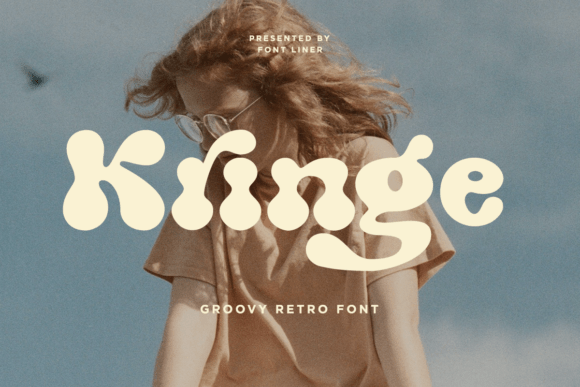
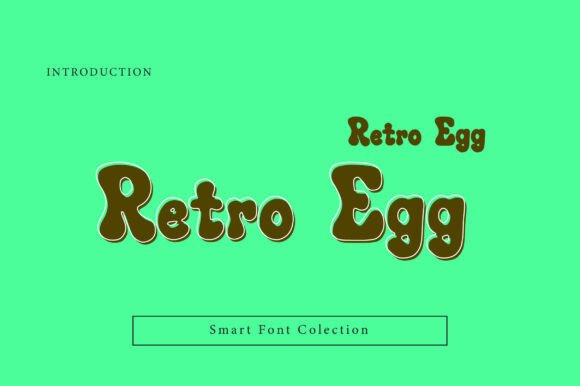
The Retro Egg font is a distinctive typeface that draws inspiration from the visual culture of the 1970s. Characterized by its fluid, wobbly letterforms and exaggerated curves, it embodies a “bubble” aesthetic that feels both organic and dynamic. Unlike rigid, modern sans-serif fonts, Retro Egg embraces imperfection and movement, making it a standout choice for designers seeking a vintage or psychedelic visual language.
Developed with a focus on high-concept design, Retro Egg is not just a stylistic nod to the past—it’s a functional tool for creating attention-grabbing visuals. Its thick weight ensures legibility at a distance, which contributes to its popularity in print and digital applications where impact and personality are key.
Why Consider Retro Egg?
Designers and brands looking to evoke a sense of nostalgia or inject personality into their work may find Retro Egg to be a compelling option. The resurgence of 1970s aesthetics in music, fashion, and lifestyle branding has increased the demand for fonts that reflect that era’s visual identity. Retro Egg fits this niche well, especially when the goal is to create a fun, trippy, or retro-futuristic impression.
Its playful yet structured form makes it particularly useful for projects that aim to stand out from more conventional, corporate design styles. Whether used in branding, packaging, or promotional materials, Retro Egg can help communicate a sense of individuality and creative freedom.
Applications Where Retro Egg Excels
Retro Egg shines in contexts where visual impact and thematic alignment are crucial. Below are some of the most effective use cases for this typeface:
- T-shirt and apparel design: The font’s bold weight and unique character make it ideal for statement tees, streetwear, and lifestyle apparel.
- Event branding and music festivals: With the resurgence of psychedelic visuals in music culture, Retro Egg complements festival posters, album covers, and event merchandise.
- Social media stickers and digital assets: Its high visibility and quirky appeal make it effective for stickers, emojis, and branded digital content.
- Quirky lifestyle brands: Startups and indie brands aiming for a vintage or eccentric identity can use Retro Egg to reinforce their visual tone.
Additionally, Retro Egg pairs well with textured backgrounds, such as grainy film effects or psychedelic illustrations. Designers can enhance its retro appeal using offset outlines, drop shadows in contrasting colors, or gradients in orange, teal, and mustard yellow—classic 1970s color combinations.
When to Consider Alternatives
While Retro Egg is a powerful design tool, it may not be suitable for every project. Due to its strong stylistic identity, it works best in contexts where the visual tone is playful, nostalgic, or artistic. It may not be appropriate for:
- Corporate or formal branding: The font’s eccentricity may clash with professional or minimalist design requirements.
- Long-form body text: Its decorative nature can reduce readability in extended paragraphs.
- Projects requiring neutrality: If the goal is to maintain a timeless or universal aesthetic, more neutral fonts may be a better fit.
Before committing to Retro Egg, consider the tone and purpose of the project. If the design requires a subtle or versatile typeface, alternatives such as Bubble, Groovy, or other retro-inspired fonts may offer a similar aesthetic with more flexibility.
Practical Considerations and Design Tips
When working with Retro Egg, designers should keep several factors in mind to ensure optimal results:
- Use it sparingly: Because of its strong visual presence, Retro Egg works best as a headline or accent font rather than for body text.
- Pair with complementary elements: Combine it with grainy textures, vintage illustrations, or retro gradients to enhance its thematic appeal.
- Experiment with effects: Offset outlines and drop shadows can add depth and dimension, especially in printed or animated formats.
- Test legibility: Ensure the font remains readable across different sizes and mediums, particularly in digital formats where screen resolution varies.
Designers should also consider licensing options and compatibility with design software. As with any specialty font, confirming its availability across platforms and ensuring it displays correctly in different environments is essential for consistent results.
Does Retro Egg Align With Your Design Goals?
Choosing the right typeface is a critical decision that affects both the visual appeal and communicative effectiveness of a design. Retro Egg is a strong contender for those seeking to capture the essence of the 1970s while maintaining a fresh, creative edge.
However, it's important to evaluate the broader design context. Ask yourself:
- Does the project aim to evoke nostalgia or a retro-futuristic vibe?
- Is visual impact more important than subtlety or neutrality?
- Will the font be used in a context where its stylistic quirks enhance rather than distract?
If the answers are yes, Retro Egg could be an excellent choice. If not, exploring other fonts with similar aesthetics but different visual weights or structures may yield better results.
Conclusion
The Retro Egg font is more than a novelty—it's a design tool that bridges the gap between nostalgia and modern creativity. Its unique curves, thick weight, and expressive form make it a valuable asset for specific design applications, particularly those that benefit from a psychedelic, groovy, or vintage-inspired aesthetic.
By understanding its strengths, limitations, and best-use scenarios, designers can make informed decisions about when and how to incorporate Retro Egg into their work. Whether used for apparel, branding, or digital content, this typeface offers a dynamic way to break free from the ordinary and embrace a more expressive visual language.