Black Grunge Font: A Bold Choice for Expressive Design
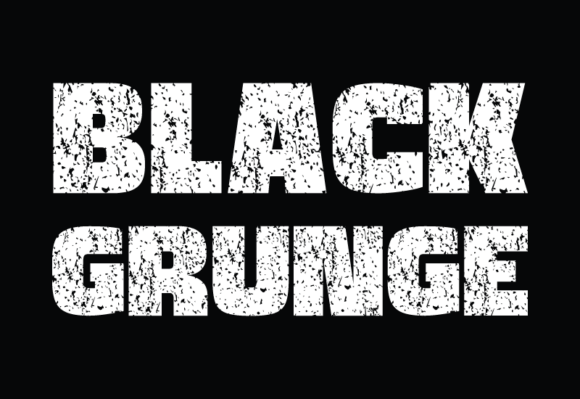
Black Grunge is a distinctive typeface that merges raw aesthetic with typographic strength. Known for its distressed textures and rugged edges, it brings a sense of defiance and individuality to visual projects. While not a font for every context, it serves a specific design niche well, particularly when the goal is to evoke a sense of rebellion, authenticity, or edginess.
Understanding Black Grunge: More Than Just a Typeface
At its core, Black Grunge is not just a font — it's a design statement. The typeface typically features heavy, textured strokes, uneven edges, and a slightly chaotic structure that mimics the imperfections of hand-drawn or weathered lettering. These qualities give it a tactile, almost physical presence on the page, making it stand out in a sea of clean, minimalist typography.
Its aesthetic roots lie in the grunge movement of the late 1980s and early 1990s, particularly in music and alternative culture. Designers looking to evoke that era’s anti-establishment spirit often turn to Black Grunge for its evocative, handcrafted feel. However, its appeal extends beyond nostalgia — it's also a tool for contemporary designers aiming to disrupt visual norms and create bold, memorable work.
Why Choose Black Grunge?
Designers may gravitate toward Black Grunge for several reasons. Its unique texture and visual weight make it ideal for projects that demand attention and emotional resonance. Here are some key motivations behind its use:
- Visual Impact: The font’s rough edges and dense structure command attention, making it suitable for headlines, posters, and branding elements.
- Emotional Tone: Black Grunge conveys a sense of grit, rebellion, and authenticity — qualities that resonate in alternative music, streetwear, and youth-oriented branding.
- Textural Depth: Unlike smooth sans-serif or serif fonts, Black Grunge introduces a tactile quality that enriches the visual composition.
Benefits and Considerations
When used appropriately, Black Grunge can elevate a design from ordinary to expressive. However, like any stylistic choice, it comes with tradeoffs that should be carefully weighed.
Key Benefits
- Strong Identity: It helps establish a bold, memorable brand or message, especially in creative industries.
- Versatile Application: Works well in print and digital media, particularly in limited text applications like logos, headers, and promotional graphics.
- Unique Aesthetic: Offers a departure from mainstream fonts, supporting originality in design.
Potential Limitations
- Readability: Due to its textured and stylized nature, it can be difficult to read in long passages or at small sizes.
- Contextual Fit: May not align with professional, corporate, or formal design environments where clarity and neutrality are valued.
- Overuse Risk: In some design circles, excessive use of grunge-style fonts has led to a perception of cliché or dated visuals.
When Is Black Grunge a Strong Fit?
Black Grunge shines in design contexts that benefit from visual intensity and a touch of rawness. Consider using it in the following scenarios:
- Music Industry: Album covers, gig posters, and band logos — especially in genres like punk, metal, or alternative rock.
- Streetwear and Urban Brands: For fashion labels or product packaging that wants to project a bold, rebellious image.
- Editorial and Art Posters: Projects that aim to make a visual impact rather than convey detailed information.
- Personal or Artistic Projects: When the design itself is a form of self-expression or commentary.
When to Consider Alternatives
While Black Grunge offers a powerful visual voice, it’s not always the best choice. In the following contexts, alternative fonts may be more appropriate:
- Corporate or Professional Communication: Clean, legible fonts like sans-serif typefaces are often preferred for reports, presentations, and business correspondence.
- Digital Interfaces: User interfaces and mobile apps typically benefit from simpler, scalable fonts that ensure clarity across devices.
- Long-form Content: Books, articles, and essays require fonts that support readability over extended reading sessions.
- Branding for Mainstream Audiences: Companies targeting broad or conservative markets may find that Black Grunge alienates rather than attracts.
Practical Insights for Decision-Making
Choosing a font like Black Grunge should be part of a broader design strategy. Consider the following questions to determine whether it aligns with your project goals:
- What is the core message? Does it align with the themes of rebellion, rawness, or authenticity that Black Grunge conveys?
- Who is the audience? Will they respond positively to a bold, unconventional typeface, or might it distract or confuse them?
- What is the usage context? Is the font being used for short bursts of text (e.g., headlines, logos), or will it appear in longer formats where readability matters?
- What is the overall design tone? Does the font complement or clash with other visual elements such as color, layout, and imagery?
Additionally, it’s wise to test the font in multiple formats and sizes. A design that looks striking on a poster may not translate well to a mobile screen or printed brochure. Always assess legibility, contrast, and scalability before finalizing your choice.
Conclusion
Black Grunge is a compelling typeface that offers a distinct visual voice for designers seeking to break away from conventional typography. Its textured, bold presence makes it a powerful tool for specific creative applications, particularly in branding, music, and expressive design projects. However, its use requires thoughtful consideration of context, audience, and readability to ensure it enhances rather than hinders communication.
Ultimately, Black Grunge isn't just about aesthetics — it's about attitude. When used with intention, it can amplify a message, evoke emotion, and create a lasting visual impression. Whether it's the right choice depends on your design goals and how well its rugged individuality aligns with your creative vision.