Retro Minimalist Font: A Stylish Choice for Modern Design Projects
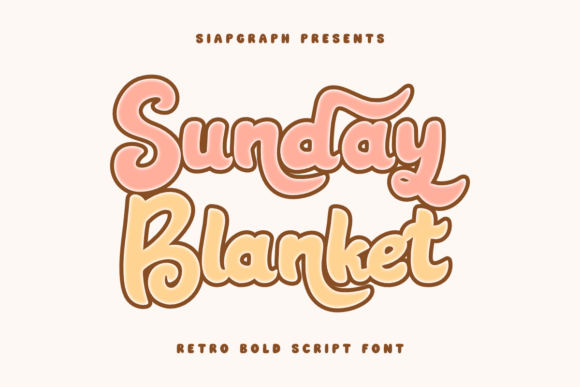
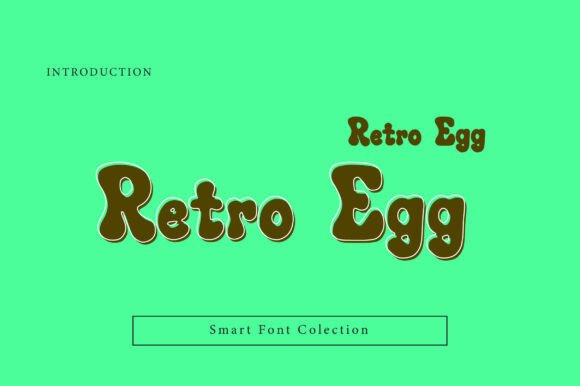
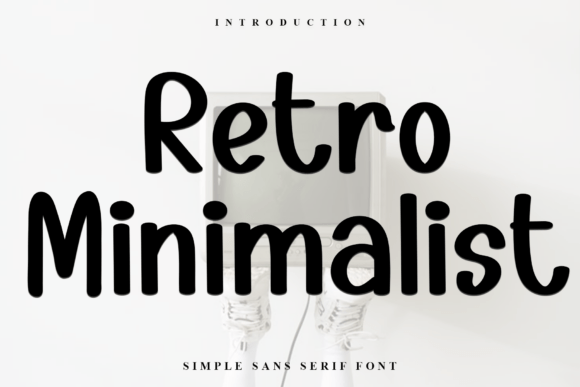
The Retro Minimalist font has gained attention for its soft, unique strokes and versatile design. It blends nostalgic elements with a clean, modern aesthetic, making it a compelling option for designers, crafters, and creative professionals. This article explores what makes Retro Minimalist stand out, when it may be the right choice, and how it compares to other font options.
What Is Retro Minimalist?
Retro Minimalist is a typeface that combines the charm of retro design with minimalist principles. Its soft strokes and balanced structure give it a distinct personality while maintaining readability and adaptability. Unlike many bold or highly stylized fonts, Retro Minimalist offers a subtle yet eye-catching presence that works well across various design contexts.
Why Consider Retro Minimalist?
Designers often look for fonts that offer both aesthetic appeal and functional flexibility. Retro Minimalist provides a unique blend of warmth and modernity, making it suitable for projects that aim to evoke a sense of nostalgia without appearing outdated. Its character set is designed to be comprehensive, allowing for use in a wide range of applications, from branding and packaging to digital media and print design.
Key Benefits of Retro Minimalist
- Versatility: The font adapts well to different design styles, whether used in logos, editorial layouts, or product packaging.
- Soft Aesthetic: Its gentle strokes give it a refined and approachable feel, ideal for projects that require a human touch.
- Cross-Platform Compatibility: Retro Minimalist is compatible with major operating systems and design software, including Windows and open-source platforms, making it accessible for a broad user base.
- Unique Character: The font’s distinctive style helps differentiate design projects from more generic typographic choices.
Potential Tradeoffs and Considerations
While Retro Minimalist brings many strengths to the table, it may not be the best fit for every project. For instance:
- Legibility at Small Sizes: Due to its stylistic strokes, Retro Minimalist may be less readable in very small print or digital text settings.
- Formality: If a highly professional or corporate tone is needed, this font may feel too casual or decorative.
- Language Support: Depending on the specific version, some character sets may have limited support for non-Latin languages.
When Retro Minimalist Is a Strong Fit
This font shines in creative and artistic contexts where a balance between retro charm and modern minimalism is desired. It's particularly effective in:
- Brand Identity: Especially for lifestyle, fashion, or artisanal brands aiming to convey authenticity and warmth.
- Editorial Design: Suitable for magazine headers, book covers, or promotional materials where visual appeal is key.
- Craft and DIY Projects: Its soft, handcrafted look complements handmade goods, packaging, and personal branding efforts.
- Web and UI Design: When used as a display font in web headers or app interfaces, it can add a distinctive visual flair.
When Alternatives May Be Better
While Retro Minimalist offers a unique style, there are situations where other fonts might serve the project better:
- High Readability Needs: For long-form text or technical documents, a more neutral sans-serif or serif font may be more appropriate.
- Corporate or Formal Branding: Fonts like Helvetica, Garamond, or Futura offer a more traditional or professional tone.
- International Projects: If the design will be used across multiple languages, a font with broader language support should be considered.
How to Decide if Retro Minimalist Is Right for You
Choosing the right font involves more than just aesthetics. Here are some practical considerations to help determine if Retro Minimalist aligns with your project needs:
- Define the Purpose: Will the font be used for headings, body text, or decorative elements? Retro Minimalist works best as a display font rather than for extended reading.
- Consider the Audience: Does the target demographic respond to nostalgic or minimalist design? This font may resonate more with younger, design-conscious audiences.
- Test Across Mediums: Preview the font in both digital and print formats to ensure it maintains clarity and impact.
- Evaluate Licensing: Check usage rights, especially if the font will be used commercially or embedded in a product.
- Pair with Complementary Fonts: Consider how Retro Minimalist works with other typefaces in your design system to ensure visual harmony.
Conclusion
Retro Minimalist is a thoughtfully designed font that bridges the gap between vintage charm and modern simplicity. Its unique strokes and soft appearance make it an appealing choice for creative professionals looking to add character to their work without sacrificing readability or adaptability. However, like any design element, it’s important to evaluate its suitability based on the specific context and goals of the project. By considering factors like legibility, formality, and intended use, designers can determine whether Retro Minimalist enhances their vision or if alternative typefaces might serve the project better.