Square Alphabet: A Modern Geometric Font for Dynamic Design Projects
Understanding Square Alphabet and Its Design Appeal
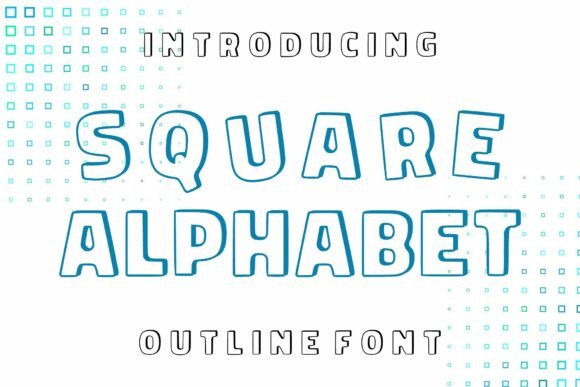
Square Alphabet is a distinctive outline typeface that blends structured geometry with a playful, approachable aesthetic. It stands out in the crowded world of typography thanks to its squared-off foundation softened by rounded terminals. This unique combination results in a design that feels both modern and inviting, making it a compelling choice for a wide range of visual projects.
The font’s outline or “hollow” style gives it a light, airy appearance. Unlike solid fonts that can dominate a layout, Square Alphabet allows for creative layering and integration with other visual elements. Whether used as a frame for imagery or layered over vibrant backgrounds, it offers a level of versatility that many contemporary typefaces strive to achieve.
Key Characteristics That Set Square Alphabet Apart
- Geometric Structure: The typeface is built on a consistent, squared framework, offering visual clarity and balance.
- Softened Edges: Rounded terminals add a friendly, approachable tone to an otherwise rigid structure.
- Outline Style: Its hollow design enables creative use of negative space, allowing designers to integrate patterns, textures, or images within letterforms.
- Contemporary Aesthetic: Square Alphabet feels fresh and current, aligning well with modern design trends.
These characteristics make it particularly effective in branding and digital environments where clarity and visual interest are equally important. It’s not just a font — it’s a design element that can shape the tone and personality of a project.
Practical Applications and Design Flexibility
Square Alphabet shines in environments where visual impact and readability must coexist. It’s especially effective in youth-oriented branding, tech startups, and entertainment-related designs such as music festival posters or pop-culture promotions.
Designers can take advantage of its outline nature in several ways:
- Layering: Use it over colorful backgrounds or gradients without losing legibility.
- Photo Integration: Frame or overlay images using the font’s open structure to create engaging visual compositions.
- Pattern Fills: Fill the negative space with textures or repeating motifs for a custom, stylized look.
For digital designers, Square Alphabet works well in UI/UX projects, especially for app interfaces or social media headers where a clean, modern look is essential. It also performs admirably in print formats such as stickers, posters, and packaging, where its geometric clarity helps grab attention quickly.
Pairing Square Alphabet for Maximum Impact
One of the font’s strongest assets is its ability to pair effectively with other typefaces. For a bold, high-contrast effect, designers often combine Square Alphabet with its solid counterpart or a chunky sans-serif. This “fill-and-outline” technique is particularly effective in headlines, logos, and promotional materials where visual hierarchy is key.
When selecting complementary fonts, consider the following:
- Use a clean sans-serif like Helvetica or Montserrat for a minimalist, tech-forward look.
- Pair with a bold script to create contrast in branding materials or event posters.
- Combine with monospaced fonts for a retro-digital aesthetic in app interfaces or gaming visuals.
These pairings not only enhance readability but also reinforce the modern, energetic tone that Square Alphabet naturally conveys.
Who Benefits Most from Using Square Alphabet?
Professionals and creators working in branding, digital design, and visual communication will find Square Alphabet especially useful. It’s ideal for:
- Startups and tech companies looking to establish a clean, modern brand identity.
- Marketing teams designing social media assets, ads, or promotional graphics.
- Freelance designers creating logos, packaging, or merchandise for youth-focused brands.
- Event planners and music promoters producing festival posters, flyers, and banners.
Its versatility makes it a strong contender for both print and digital applications. However, it’s most effective in projects where visual impact and legibility are equally important. It may not be the best fit for long-form editorial content or formal business communications, where readability and tradition often take precedence.
Real-World Performance and Usability
In practice, Square Alphabet holds up well across different platforms and mediums. Its geometric consistency ensures that it scales effectively — whether used in a mobile app icon or a large-format poster. The font’s open structure maintains clarity even at smaller sizes, though some fine details may be lost in very small print applications.
From a usability standpoint, it integrates smoothly with most design software, including Adobe Creative Suite, Figma, and Canva. Licensing is generally straightforward, though users should verify usage rights depending on the project scope (e.g., commercial use, web embedding, or app integration).
Quality and reliability are consistent across weights and styles, assuming the font is sourced from a reputable provider. As with any display font, it’s important to test legibility in context before finalizing a design.
Considerations and Limitations
While Square Alphabet offers a fresh, modern look, it does come with some limitations. Because of its outline nature, it can sometimes appear less substantial than solid fonts, especially in low-contrast environments. Additionally, overuse in a single layout can lead to visual fatigue or reduced readability.
Designers should also be mindful of spacing and kerning when using the font in longer text blocks. While it works well for headlines and short phrases, extended body copy may benefit from a more traditional sans-serif or serif typeface.
Final Thoughts: Is Square Alphabet Right for Your Project?
Square Alphabet is more than just a trendy font — it’s a versatile design tool that brings geometric clarity and a sense of playfulness to modern projects. When used thoughtfully, it can elevate branding, digital interfaces, and visual promotions with a clean, contemporary edge.
If your project calls for a typeface that balances structure with approachability, and you’re looking for something that stands out without sacrificing usability, Square Alphabet is worth considering. It’s particularly well-suited for designers who value creative flexibility and want to inject a sense of fun into their work without compromising professionalism.