Grunge Alphabet: Integrating Raw Texture into Design Workflows
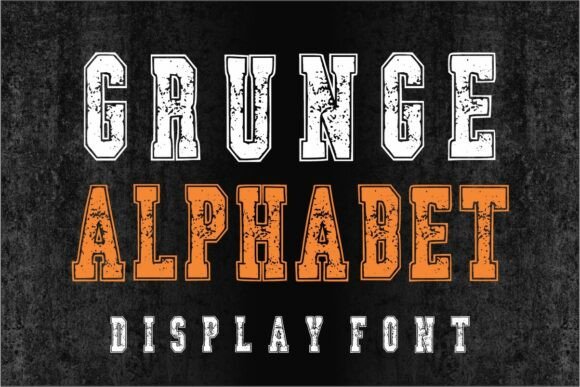
For designers seeking a typeface that adds a bold, textured presence to their work, Grunge Alphabet offers a compelling solution. As a distressed slab-serif display font, it’s built for impact—combining rugged aesthetics with structural strength. Whether you're working on apparel branding, e-sports logos, or high-energy posters, Grunge Alphabet delivers a visual punch that stands out in competitive design environments.
Understanding Grunge Alphabet’s Role in Design
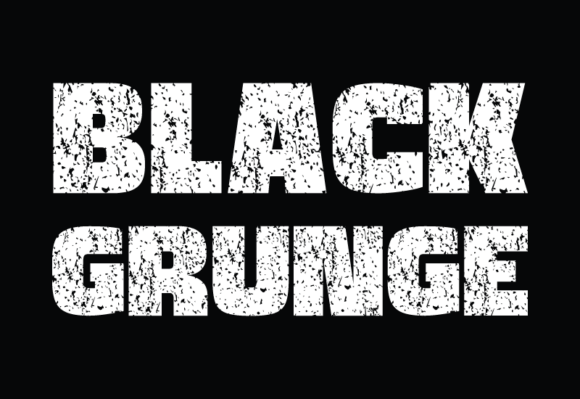
Grunge Alphabet isn’t just another font—it’s a design asset tailored for projects that demand a raw, industrial edge. Its bold letterforms and distressed textures echo the look of vintage sports gear, weathered signage, and high-octane racing graphics. This makes it particularly effective for branding and visual identities where authenticity and grit are key.
From a design workflow perspective, Grunge Alphabet fits best in the visual development and final presentation stages. It serves as a strong typographic anchor, especially in projects where texture and contrast play a central role in the overall aesthetic. Whether you're designing a logo, a poster, or a product label, this font can help reinforce the mood and message of your creative output.
How Grunge Alphabet Enhances Visual Impact
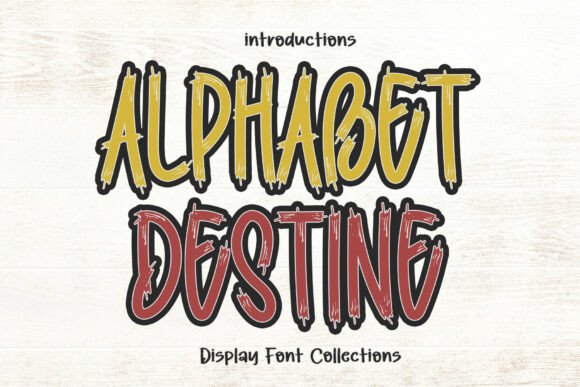
The font’s layered structure allows for creative flexibility. It includes multiple styles such as a clean outline and a distressed fill, enabling designers to control color and contrast with precision. This layering technique is especially useful when designing for print or digital media where visual depth and readability must coexist.
- Use the outline version as a base layer for clean definition
- Overlay the distressed fill to introduce texture and dimension
- Experiment with color contrasts to highlight specific elements
By combining these styles, you can achieve a level of typographic control that’s both expressive and intentional. This approach is particularly effective in branding materials where a strong visual identity is essential.
Integrating Grunge Alphabet into Real-World Projects
Incorporating Grunge Alphabet into your design workflow doesn’t have to be complicated. The key is to understand where and how it adds value within your creative process. Here are a few practical applications:
- Branding and Identity Design: Use Grunge Alphabet for logotypes, brand tags, or packaging elements that require a strong, textured presence.
- Poster and Title Design: Ideal for movie titles, event posters, or album covers where visual impact is critical.
- E-Sports and Sports Graphics: Its rugged aesthetic aligns well with team logos, jersey designs, and promotional banners.
When planning your design, consider Grunge Alphabet early in the concept phase. It’s not just a decorative element—it can influence layout, color choices, and overall composition. By integrating it from the start, you ensure consistency and coherence across your visual materials.
Compatibility and Workflow Considerations
Grunge Alphabet works best in design environments that support layered typography and advanced color control. Adobe Illustrator, Photoshop, and Affinity Designer are particularly well-suited for leveraging its full potential. However, it can also be used effectively in simpler tools like Canva or Figma, especially for digital presentations or social media graphics.
When preparing files for print or digital use, ensure that both the outline and fill versions are properly aligned and grouped. This prevents misalignment during export or resizing. Also, test your design across different background colors to ensure legibility and visual balance.
Optimizing Usability and Long-Term Application
One of the strengths of Grunge Alphabet is its adaptability across different design contexts. However, to get the most out of it over time, it’s important to maintain consistency in how it’s used across your brand or project.
- Create a style guide that defines how Grunge Alphabet should be applied
- Document preferred color combinations and layering techniques
- Store project files with clearly labeled font layers for future edits
These small steps can significantly improve efficiency, especially when multiple designers are working on the same brand or campaign. Consistency in typography not only strengthens brand recognition but also streamlines future design efforts.
Quality Control and Visual Testing
Because Grunge Alphabet is a display font with texture, it's important to test it under different viewing conditions. Check how it appears on screen versus in print, and ensure it remains legible at various sizes. While it’s designed for headlines and titles, using it in smaller body text may compromise readability.
Also, consider how the distressed texture interacts with background elements. A busy background may clash with the font’s rugged look, so aim for a balance between contrast and clarity. When in doubt, simplify the surrounding design to let the typography take center stage.
Final Thoughts on Implementation
Incorporating Grunge Alphabet into your workflow is more than just a stylistic choice—it’s a strategic decision that affects how your design communicates. Its textured, high-impact presence makes it ideal for projects that demand visual strength and authenticity. Whether you're working on a logo, a poster, or an apparel brand, Grunge Alphabet can elevate your design with minimal effort.
As with any design tool, the key to success lies in understanding how it fits within your broader process. By planning early, testing thoroughly, and maintaining consistency, you can integrate Grunge Alphabet seamlessly into your work—enhancing both the creative and practical aspects of your design output.