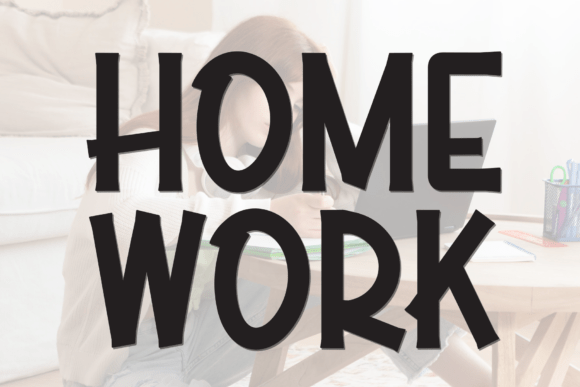
Home Work: A Fresh Approach to Casual Display Typography
Choosing the right font can make a subtle but powerful difference in how your message is received. Home Work stands out as a casual display font that blends modern simplicity with a playful, approachable vibe. Its clean shapes, soft edges, and well-balanced letterforms offer a unique combination of clarity and character. Whether you're designing a poster, crafting a brand identity, or preparing social media content, this typeface can help your visuals feel both fresh and familiar.
Why Typography Matters in Visual Communication
Typography is more than just selecting a font—it's about conveying tone, building trust, and enhancing readability. In today’s visually driven world, how text appears on a screen or printed material can influence engagement and perception. Home Work was designed with this in mind, offering a relaxed aesthetic without sacrificing legibility or professionalism.
For small business owners, marketers, and content creators, choosing a font that aligns with your brand personality can streamline design decisions and improve consistency. A well-chosen typeface like Home Work supports this goal by offering a versatile and expressive foundation that works across multiple platforms and formats.
Design Characteristics That Set Home Work Apart
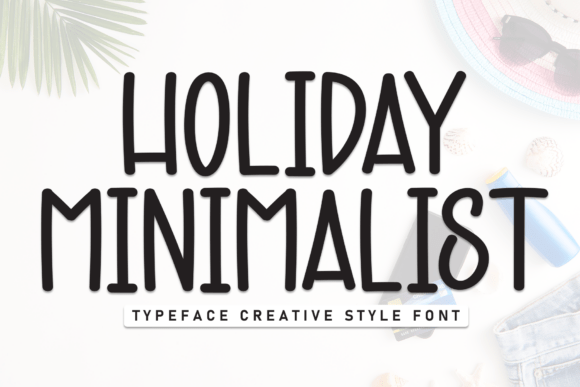
Home Work strikes a balance between structure and informality. Its letterforms are intentionally designed to feel modern yet warm, making it suitable for projects that require both creativity and clarity. The rounded edges and open spacing contribute to its approachable nature, while the consistent weight and proportion ensure it remains readable even at smaller sizes.
- Clean, modern shapes for a contemporary look
- Soft edges that add warmth without reducing legibility
- Well-balanced proportions that support readability
This combination makes it ideal for a wide range of applications, from packaging labels to digital banners. Whether you're designing a logo, a product tagline, or a social media post, Home Work offers a visual tone that feels both friendly and professional.
Practical Uses for Home Work in Everyday Design
Many professionals and creators find that Home Work enhances their design workflow by offering a go-to option for casual but polished visuals. Here are a few real-world applications where this font shines:
- Social media graphics: The font’s playful yet legible style works well for quotes, announcements, and promotional posts that need to stand out without overwhelming the viewer.
- Branding and packaging: Brands that want to project a friendly, modern image can use Home Work in logos, labels, or product tags to create a consistent and inviting visual identity.
- Print materials: From posters to greeting cards, this font brings a relaxed charm that complements both minimalist and colorful designs.
Because of its versatility, Home Work can be used effectively in both digital and print formats. Designers who work across mediums often appreciate how it maintains its character without losing clarity or impact.
Who Benefits Most from Using Home Work?
Creatives and professionals who prioritize both style and functionality may find Home Work especially useful. This includes:
- Marketers looking to create engaging social media content
- Entrepreneurs building a brand identity that feels approachable yet modern
- Bloggers and educators designing visual aids or promotional materials
- Freelancers and designers who need a flexible font that works across multiple client projects
For those who want to simplify their design choices while maintaining a strong visual voice, Home Work offers a reliable and expressive option that can adapt to many needs.
How Home Work Can Improve Your Workflow
Time is a valuable resource for any professional or creator. Choosing a font that works well across different contexts can reduce the need for constant experimentation and font switching. Home Work provides a consistent visual style that integrates smoothly into design workflows, allowing users to focus more on content and less on formatting.
Additionally, its readability and aesthetic appeal can help reduce the number of revisions needed during the design process. When a font communicates the intended tone effectively from the start, it minimizes the back-and-forth that often comes with client or team feedback.
Considerations When Choosing a Display Font
While Home Work offers many benefits, it's important to consider how it fits within your overall design strategy. Like any display font, it works best in headlines, titles, and short text blocks rather than long paragraphs. It’s also best suited for projects that aim for a relaxed, modern, or personable tone.
Before committing to a font, it's always a good idea to test it in your intended context. Try applying Home Work to different design mockups and compare it with alternatives to ensure it aligns with your brand voice and visual goals.
Final Thoughts on Home Work
In a world where visual communication plays a central role in how we connect and share ideas, the fonts we choose matter more than ever. Home Work offers a thoughtful balance of clarity, personality, and flexibility that makes it a valuable addition to any designer’s toolkit. Whether you're working on branding, digital content, or print materials, this font can help you convey your message in a way that feels both fresh and authentic.
By integrating Home Work into your design projects, you may find that your visuals not only communicate more effectively but also resonate more deeply with your audience—without requiring extra effort or compromise.