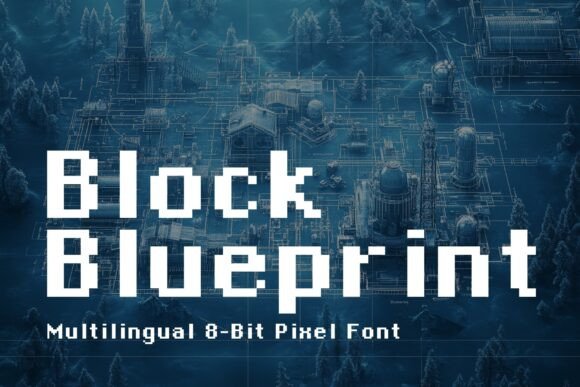
Block Blueprint: A Practical 8-Bit Pixel Font for Real-World Design Needs
When it comes to design, especially in digital and creative spaces, the right font can make all the difference. Block Blueprint stands out as a clean, legible, and professional 8-bit pixel font that brings a retro aesthetic into modern applications. Whether you're working on a game, a digital illustration, or even a branding project, Block Blueprint offers a unique blend of nostalgia and usability that’s hard to find elsewhere.
What Makes Block Blueprint Different
At first glance, Block Blueprint might look like just another pixel font, but its design philosophy sets it apart. Each character is carefully crafted to ensure clarity and precision, even at small sizes. This makes it especially useful in situations where readability matters, such as on-screen text, game interfaces, or mobile displays. Unlike many retro fonts that sacrifice legibility for style, Block Blueprint maintains a balance that makes it usable across a wide range of applications.
When and Where to Use Block Blueprint
One of the biggest strengths of Block Blueprint is its versatility. It works well in both personal and professional settings, and its clean lines and structured appearance make it suitable for more than just games. Here are a few real-world examples of how different users can benefit from it:
- Game Developers: Whether you're building a retro-style platformer or a modern indie title with pixel art aesthetics, Block Blueprint gives your game menus, HUDs, and dialogues a crisp, consistent look. It helps maintain a cohesive visual style without making the interface feel outdated or cluttered.
- Graphic Designers: For designers creating digital posters, social media graphics, or branding materials with a retro theme, Block Blueprint adds a touch of authenticity. It’s particularly effective in designs that aim to evoke a sense of nostalgia or simplicity without looking amateurish.
- Educators and Presenters: Teachers or workshop facilitators who use digital slides or interactive content can use Block Blueprint to make their text more engaging. Its clear character shapes help keep attention on the message, especially when presenting on lower-resolution displays or projectors.
- Bloggers and Content Creators: If you run a blog focused on gaming, design, or tech nostalgia, using Block Blueprint in your thumbnails, headers, or featured images can help reinforce your brand’s visual identity while keeping it professional and readable.
Why It Works for Different Audiences
What makes Block Blueprint appealing to such a wide audience is its ability to serve both form and function. For example:
- Creative hobbyists appreciate the retro charm and ease of integration into personal projects like fan art, DIY zines, or custom game assets.
- Freelancers working on client projects can use it to add a unique visual touch without compromising readability, which is crucial when delivering polished work on tight deadlines.
- Small business owners can apply it in promotional materials, digital signage, or branded merchandise to stand out with a distinctive yet professional look.
Each of these users has different needs, but they all benefit from the same core strengths: clarity, consistency, and a timeless design that feels both familiar and fresh.
Things to Consider Before Using Block Blueprint
While Block Blueprint is versatile, it's not a one-size-fits-all solution. Here are a few practical considerations to keep in mind before deciding to use it:
- Project Type: If your design needs a modern, sleek look, Block Blueprint might not be the best fit. It shines brightest in projects that embrace a retro or minimalist aesthetic.
- Usage Context: Consider where the font will appear. It performs exceptionally well on screens but may need adjustments if used in print, especially at very small sizes or on low-resolution printers.
- Licensing: Always check the licensing terms before using Block Blueprint in commercial work. Some fonts come with restrictions that may affect how you can use or distribute them.
- Language Support: Make sure the font supports the languages or special characters you need, especially if your project targets an international audience.
Getting the Most Out of Block Blueprint
Using Block Blueprint effectively isn’t just about dropping it into your design. To get the most out of it, consider pairing it with complementary fonts or design elements. For example:
Use it as a headline font in a layout where body text is set in a clean sans-serif. This contrast helps maintain readability while still giving your design a strong visual identity. In game design, pairing Block Blueprint with custom UI elements that match its pixel style ensures a cohesive look across menus, scoreboards, and dialogue boxes.
Another practical tip is to adjust spacing and alignment to suit the font’s pixel structure. Kerning and line spacing might need fine-tuning depending on the size and background, especially when used in digital interfaces or animated content.
Real-World Examples of Block Blueprint in Action
Let’s say you’re designing a mobile game with a retro feel. You want the score display, level titles, and instructions to feel like they belong in a classic arcade cabinet. Block Blueprint delivers that look while ensuring players can read the text quickly and clearly, even during fast-paced gameplay.
Or imagine you’re creating a digital newsletter for a tech blog with a focus on vintage computing. Using Block Blueprint in your headers and call-out boxes gives the publication a distinct personality that sets it apart from generic web fonts, while still maintaining a clean and professional layout.
Even in physical products like t-shirts, posters, or stickers, Block Blueprint can help create designs that are both eye-catching and easy to read from a distance—perfect for events, merchandising, or promotional giveaways.
Final Thoughts
Block Blueprint isn’t just another pixel font. It’s a thoughtful blend of retro design and modern usability that fits into a wide variety of creative and professional workflows. Whether you're a game developer, designer, educator, or entrepreneur, it offers a practical way to bring clarity and character to your projects without sacrificing quality or readability.