Baze: A Sharp Display Font for Modern Creative Workflows
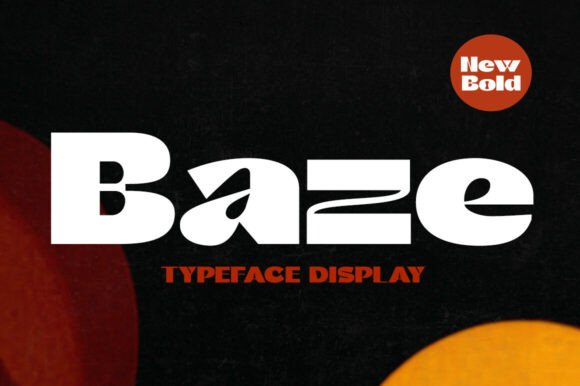
Typography plays a critical role in visual communication, and choosing the right font can significantly impact how your message is received. Baze stands out as a sharp and bold display font that blends modern aesthetics with functional design. Whether you're crafting a logo, designing a poster, or building a brand identity, Baze offers a dynamic visual presence that supports clarity and style.
Understanding Baze in the Context of Creative Typography
Baze is more than just a typeface; it's a design tool that enhances readability and visual appeal. Its bold structure makes it ideal for headlines, banners, and other display applications where legibility at a distance matters. The font incorporates modern character ligatures, which means certain letter combinations are designed to flow together seamlessly, improving both aesthetics and readability.
For designers, developers, and content creators, Baze fits into the broader typography ecosystem as a contemporary solution for high-impact visual projects. It bridges the gap between traditional serif fonts and minimalist sans-serif styles, offering a balanced and versatile option for a wide range of creative needs.
Using Baze Before a Creative Project
Before launching into any visual project, it's essential to define the tone, audience, and platform. Baze is particularly effective in early-stage planning when selecting a visual direction. Its bold and modern appearance makes it a strong candidate for branding materials, promotional assets, and UI/UX mockups.
Consider testing Baze alongside other fonts during the concept phase to see how it aligns with your project’s goals. Use it in mood boards or style guides to gauge its compatibility with color schemes, imagery, and layout structures. This early integration helps ensure consistency across all visual elements before final production begins.
Integrating Baze During Design Execution
Once a project moves into the execution phase, Baze can be applied directly to design files using common tools like Adobe Photoshop, Illustrator, Figma, or Canva. Its clean lines and strong character presence make it suitable for headings, call-to-action buttons, and infographic titles.
When working with Baze during the design process, pay attention to spacing and alignment. Because it's a display font, it's best used at larger sizes where its details can be fully appreciated. Pair it with simpler, more neutral fonts for body text to maintain visual hierarchy and readability.
- Use Baze for logos, banners, and headlines
- Pair with sans-serif fonts like Helvetica or Open Sans for supporting text
- Adjust tracking and kerning for optimal spacing in titles
Leveraging Baze After Launch for Consistency and Updates
After a project goes live—whether it's a website, marketing campaign, or product packaging—maintaining visual consistency is key. Baze can be part of your ongoing brand toolkit, ensuring that all new assets align with previously established design standards.
For marketers and business owners, this means incorporating Baze into future promotional materials, social media graphics, and email headers. For developers, embedding Baze via web fonts (if available) ensures that digital experiences remain visually cohesive across devices and platforms.
When updating or refreshing a design, Baze can be reintroduced with slight variations in color or layout to keep content feeling fresh while maintaining brand recognition.
How Baze Works With Other Tools and Platforms
Compatibility is a crucial factor when selecting any design asset, and Baze is designed to work seamlessly with major design and publishing tools. Whether you're using desktop software or web-based platforms, Baze integrates smoothly into existing workflows.
Designers can import Baze into Adobe Creative Cloud applications, Sketch, or Figma for high-fidelity mockups. Web developers can implement it using @font-face in CSS if the font is available in a web-optimized format. Content creators using platforms like Canva or Figma benefit from Baze’s adaptability, allowing them to maintain professional quality without advanced design skills.
Additionally, Baze pairs well with other design elements such as icons, illustrations, and photographs. Its bold presence ensures that text remains a focal point, even when layered over complex backgrounds or dynamic visuals.
Practical Implementation Tips for Using Baze
To get the most out of Baze, consider these practical implementation strategies:
- Limit usage to headlines and titles – Baze works best in short bursts due to its visual weight.
- Test legibility at different sizes – While Baze is bold and clear, it may not be ideal for small print or mobile screens unless carefully adjusted.
- Use character ligatures creatively – Some versions of Baze include ligatures that enhance the flow between letters. Enable them in design software for a polished look.
- Export in multiple formats – If using Baze for web or print, export files in both vector and raster formats to ensure flexibility across platforms.
Workflow Examples Featuring Baze
Let’s look at how Baze might appear in real-world workflows:
- Brand Identity Project: A graphic designer selects Baze for a startup’s logo and business cards. They pair it with a clean sans-serif for subheadings and body text to maintain readability.
- Marketing Campaign: A digital marketer uses Baze in social media graphics and email headers to create a bold visual identity that stands out in feeds and inboxes.
- UI/UX Design: A web designer incorporates Baze into a landing page hero section, using it for the main headline while keeping navigation and body text in a lighter font for contrast.
Long-Term Use and Quality Considerations
Like any design resource, Baze should be used with long-term goals in mind. Ensure that you have the appropriate licensing for both personal and commercial use, especially if you're integrating it into products or client work.
As design trends evolve, Baze’s modern aesthetic may need to be refreshed or adapted. Keep a record of how and where it was used so that future updates maintain consistency. Regularly review its performance in different formats—print, digital, mobile—to ensure it continues to meet your visual communication needs.
Organizing your font library and keeping backups of Baze files can also streamline future projects. If you're working in a team environment, ensure that all members have access to the same font files to avoid inconsistencies in shared design assets.
Conclusion: Making Baze a Part of Your Design Process
Incorporating Baze into your creative process doesn't have to be complicated. From initial concepting to final delivery, Baze enhances visual impact while supporting clear communication. Its bold presence and modern ligatures make it a valuable tool for designers, marketers, and creators who want to elevate their work without sacrificing usability.
By understanding how Baze functions within broader workflows and pairing it with complementary tools and resources, you can create polished, professional designs that stand out. Whether you're working on a branding project, digital campaign, or print media, Baze offers a versatile and visually striking option that delivers results.