Homebody: A Comfortable and Creative Sans-Serif Font for Modern Design
When it comes to typography, the right font can set the tone for a project, influence user engagement, and enhance visual storytelling. Homebody stands out as a distinctive sans-serif typeface designed with comfort and creativity in mind. Its bold presence and playful character make it a compelling option for designers looking to inject warmth and personality into their work without sacrificing readability or function.
Understanding the Design Philosophy of Homebody
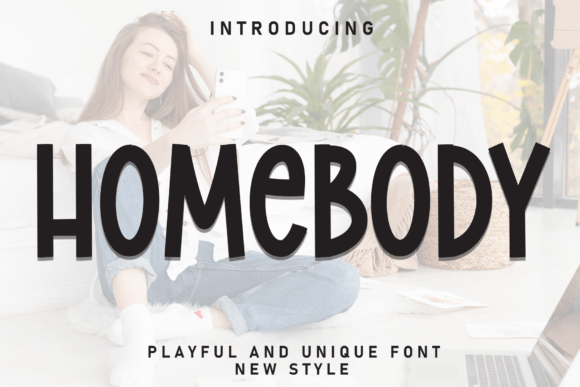
Homebody is more than just a font; it's a design tool that communicates a relaxed, approachable aesthetic. The typeface features thick strokes and intentionally uneven characters, which give it a handcrafted, organic feel. This subtle irregularity sets it apart from more rigid, geometric sans-serif fonts that dominate digital design. Rather than aiming for perfection, Homebody embraces a sense of imperfection that feels authentic and human—qualities that resonate well in lifestyle branding, personal blogs, and social media content.
Key Features That Define Homebody
- Bold and Rounded Forms: The thick, rounded strokes contribute to a soft yet confident appearance, ideal for headlines and short-form text.
- Playful Irregularity: Slight variations in character shapes add visual interest without compromising legibility.
- Warmth and Personality: The font’s design evokes a cozy, familiar feeling—perfect for projects aiming to create emotional connections.
- High Readability at Larger Sizes: While not ideal for long-form body text, it performs well in titles, captions, and interface elements.
Who Benefits Most from Using Homebody?
Designers and creators working on lifestyle blogs, personal branding projects, and cozy-themed marketing materials will find Homebody particularly useful. It appeals to those who want to convey a friendly, approachable tone without leaning into overly casual or childish aesthetics. Small business owners, bloggers, and independent creators can use it to differentiate their visual identity and establish a unique voice in crowded digital spaces.
For example, a wellness blogger might use Homebody in social media graphics to promote a calming lifestyle, while a boutique coffee shop could incorporate it into packaging or signage to reflect a welcoming, down-to-earth brand.
Real-World Performance and Usability
When evaluating a font for practical use, it’s essential to consider how it performs across different platforms and formats. Homebody shines in digital environments where visual appeal and emotional tone are crucial. It works exceptionally well in:
- Social media posts and stories
- Website headers and hero sections
- Print-on-demand product designs
- Mobile app interfaces with a casual tone
However, due to its heavy weight and stylized nature, it may not be suitable for long paragraphs or small-sized text. Users should consider pairing it with a more neutral sans-serif or serif font for body content to maintain readability and balance.
Flexibility and Design Consistency
One of the strengths of Homebody lies in its consistency across different characters and weights. While it has a playful appearance, it maintains a cohesive structure that ensures visual harmony in headings and titles. Designers can confidently use it across multiple assets without worrying about mismatched proportions or inconsistent spacing.
That said, its current character set may be limited compared to more comprehensive typefaces. Users requiring multilingual support or extended glyph coverage may need to supplement it with other fonts or check for updates from the type designer.
Quality and Long-Term Value
The quality of a font extends beyond its initial visual appeal—it also includes how well it holds up over time, how easily it integrates into different workflows, and how adaptable it is to evolving design trends. Homebody scores well in these areas due to its timeless yet distinctive style. Its cozy, approachable look aligns with current design trends favoring authenticity and warmth, but it’s also versatile enough to remain relevant as those trends evolve.
For professionals who frequently update branding materials or digital assets, investing in a high-quality font like Homebody can provide long-term value by reducing the need for frequent redesigns.
Practical Recommendations for Using Homebody
- Pair with a Neutral Font: Combine Homebody with a clean, simple sans-serif or serif font to ensure readability in longer content.
- Use in Visual-First Platforms: Leverage its strengths in environments where typography is part of the visual design, such as Instagram stories, Canva templates, or Pinterest graphics.
- Test Across Devices: Ensure legibility on both desktop and mobile screens, especially when used in web headers or app interfaces.
- Limit Use in Formal Contexts: While expressive, Homebody may not be appropriate for corporate or academic settings where a more traditional tone is expected.
Potential Limitations to Consider
Despite its many strengths, Homebody may not be the best choice for every project. Its stylized appearance can limit its usability in formal or technical contexts. Additionally, if a project requires a wide range of weights or extended language support, designers should verify that the font meets those requirements before committing.
Another consideration is licensing. Designers should always check the usage rights associated with the font to ensure it can be used across all intended platforms and media without legal complications.
Final Thoughts: When Homebody Fits the Project
In the right context, Homebody delivers a unique combination of warmth, personality, and readability that’s hard to match. It excels in creative environments where emotional resonance and visual appeal are key drivers of engagement. Whether you're designing a personal blog, crafting social media assets, or developing a cozy brand identity, Homebody offers a refreshing alternative to more conventional sans-serif fonts.
For professionals seeking to stand out with a distinct typographic voice, Homebody is worth considering—not just as a stylistic choice, but as a strategic design decision that aligns with modern design sensibilities and audience expectations.