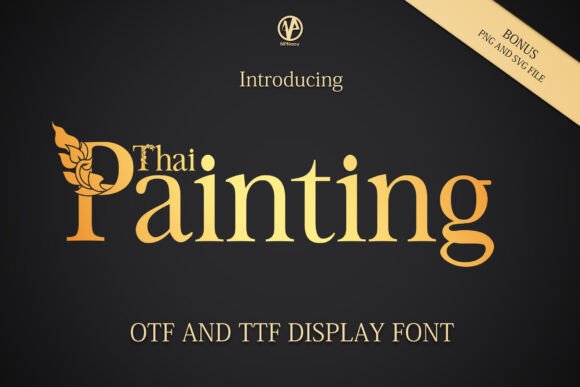
Thai Painting: A Vintage Font That Elevates Design
Thai Painting is more than just a typeface—it’s a design tool that brings character and warmth to any visual project. Whether you're crafting a logo, designing a poster, or working on a digital layout, this vintage display font adds a unique touch that stands out without overwhelming the viewer. It’s the kind of font that feels both nostalgic and fresh, making it a versatile choice for a wide range of creative applications.
What Makes Thai Painting Unique
At first glance, Thai Painting captures attention with its hand-drawn appearance and slightly irregular letterforms. Unlike sterile, machine-generated fonts, this typeface carries a human touch that conveys authenticity and craftsmanship. Each character is designed with subtle texture and imperfections that mimic brush strokes, giving it a painterly quality that’s hard to replicate with other fonts.
Its vintage aesthetic is rooted in traditional signage and hand-lettered typography, making it ideal for projects that require a sense of history or artisanal charm. Despite its nostalgic appeal, Thai Painting remains highly readable and works well in both small and large formats, especially when used as a headline or accent font.
Why Designers Love Thai Painting
One of the biggest advantages of Thai Painting is its ability to inject personality into a design without sacrificing clarity. Many display fonts fall into the trap of being too ornate or difficult to read, but Thai Painting strikes a balance that makes it both expressive and functional. This duality is why it's become a favorite among designers who want to add visual interest without compromising legibility.
- Vintage appeal that works across multiple themes
- High readability even in stylized lettering
- Handcrafted texture that adds depth and warmth
- Flexible use across print and digital formats
Practical Applications for Thai Painting
This font shines in a variety of design contexts. Here are just a few ways it can enhance your next project:
- Brand Identity: Use Thai Painting for logos, packaging, or brand tags that need a touch of personality. It works especially well for artisanal brands, coffee shops, lifestyle labels, and boutique businesses.
- Print Media: From posters to greeting cards, this font brings a vintage flair that feels both timeless and modern. It pairs well with watercolor textures or retro illustrations.
- Web and UI Design: When used sparingly in headlines or banners, Thai Painting can give a website a distinctive visual voice. Just be sure to pair it with clean, readable fonts for body text.
- Editorial Design: Magazines, zines, and book covers benefit from its expressive nature, helping titles and subtitles stand out on the page.
How Thai Painting Enhances Visual Communication
Typography is more than just choosing a font—it’s about conveying tone, emotion, and intention. Thai Painting helps designers communicate authenticity and creativity, which are key in today’s visually saturated world. Whether you're designing a logo for a new brand or putting together a social media graphic, this font helps your message feel more human and approachable.
Its textured strokes and organic shapes create a sense of movement and depth that flat, sans-serif fonts often lack. This makes Thai Painting particularly effective when used in designs that aim to evoke nostalgia, craftsmanship, or artistic flair.
Pairing Thai Painting with Other Fonts
To make the most of Thai Painting, it’s important to pair it with complementary fonts that balance its expressive nature. Here are a few pairing suggestions:
- With a serif font: For a classic, elegant look—great for invitations or vintage-themed branding.
- With a sans-serif: For a modern contrast that keeps the design from feeling too old-fashioned.
- With a monospace font: For a quirky, unexpected twist—perfect for creative tech or indie projects.
Remember, Thai Painting works best when used as a highlight rather than the main body text. Think of it as the visual equivalent of a bold accessory—it draws attention without overwhelming the entire composition.
Real-World Examples of Thai Painting in Use
Designers have used Thai Painting in a variety of creative and commercial settings. For example, a local bakery used it in their branding to evoke the warmth and tradition of homemade goods. A travel blogger incorporated it into their website headers to give their content a relaxed, handcrafted feel. Even in digital ads, Thai Painting has been used effectively to stand out in crowded feeds without looking cluttered.
In each of these cases, the font helped create a memorable visual identity that resonated with audiences. Its ability to feel both familiar and distinctive makes it a smart choice for anyone looking to build a unique brand voice through typography.
Things to Consider Before Using Thai Painting
While Thai Painting is versatile, it’s not a one-size-fits-all solution. Here are a few practical considerations:
- Licensing: Make sure you have the appropriate license for your intended use, especially for commercial projects.
- Readability: Avoid using it for long blocks of text. Stick to headlines, titles, and short phrases for best results.
- Color and background: The texture in Thai Painting works best on light or neutral backgrounds. Avoid busy or dark backgrounds that may obscure the details.
- Format: If you're using it in print, ensure the resolution is high enough to preserve the brushstroke details. In digital formats, test how it renders across devices and browsers.
Final Thoughts
Thai Painting is more than a font trend—it’s a design tool that bridges the gap between vintage charm and modern usability. Whether you're a professional designer, a small business owner, or a creative hobbyist, it’s a font that can elevate your visual communication and help your work stand out. By understanding its strengths and using it thoughtfully, you can harness its unique character to create designs that feel both personal and professional.
If you haven’t tried Thai Painting yet, now is the perfect time to explore how it can enhance your next project. With the right approach, it can become a go-to element in your design toolkit—adding warmth, authenticity, and visual interest wherever it’s used.