Ruma Daze: A Bold Typeface for Modern Branding
Understanding Ruma Daze and Its Design Philosophy
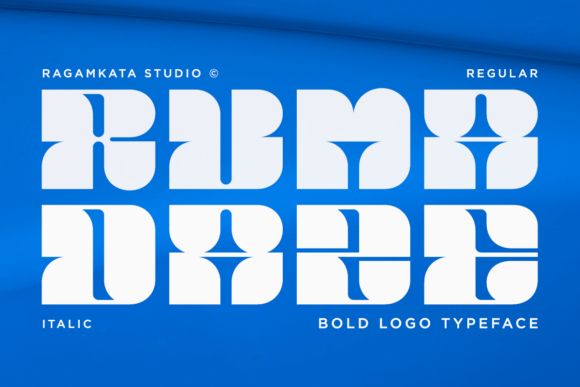
Ruma Daze is a contemporary geometric typeface that merges architectural precision with high-impact visual design. It stands out in the crowded field of modern fonts by leveraging sharp angles, abstract forms, and strategic use of negative space. Each character is crafted to function more like a minimalist icon than a traditional letterform, making it especially effective in environments where visual clarity and structural integrity are paramount.
Unlike many sans-serif fonts that prioritize fluidity and organic curves, Ruma Daze embraces a more rigid, block-like structure. This design approach gives it a distinctive presence, particularly in branding applications where boldness and confidence are key. The font's angularity and deliberate spacing contribute to a sense of modernity and technical sophistication, aligning well with tech-driven identities and futuristic visual systems.
Key Features That Set Ruma Daze Apart
One of the defining strengths of Ruma Daze is its dual emphasis on legibility and aesthetic impact. Its ultra-bold weight ensures that it remains readable even at a distance or on small screens, making it a versatile choice for both print and digital media. The Regular and Italic weights offer designers the flexibility to create dynamic typographic contrast, enhancing both motion and structural balance in compositions.
- Negative space utilization enhances character recognition and visual rhythm
- Abstract geometric forms provide a futuristic, architectural aesthetic
- Bold, blocky structure maintains clarity across multiple scales and formats
- Italic variation introduces movement without compromising legibility
These features make Ruma Daze particularly effective in logo design, editorial layouts, and brand identities that seek to project strength, innovation, and a forward-looking sensibility. The font’s structural consistency ensures that it holds up well in both static and motion-based designs, providing a reliable foundation for visual storytelling.
Practical Applications and Real-World Performance
In practice, Ruma Daze excels in high-visibility branding scenarios. Its bold presence makes it a strong contender for logo development, especially for startups and tech companies aiming to convey innovation and authority. The font’s architectural qualities also lend themselves well to editorial design, particularly in magazines or digital platforms with a focus on design, architecture, or technology.
For digital use, Ruma Daze maintains its clarity on mobile screens and web banners, where high contrast and strong structural definition are essential. Designers working on mobile-first campaigns or responsive websites will find the font’s adaptability particularly useful. Additionally, its ability to stand out in billboard advertising or large-format print media makes it a valuable asset for outdoor and environmental branding.
Who Benefits Most from Using Ruma Daze?
Ruma Daze is best suited for creative professionals and brands that require a typeface with strong visual identity and technical reliability. This includes:
- Brand designers developing high-impact logos and brand systems
- Web and UI designers crafting modern digital interfaces
- Editorial designers working on contemporary publications
- Marketing teams building campaigns for tech, architecture, or design-focused audiences
Small business owners and entrepreneurs looking to establish a bold, memorable brand presence can also benefit from incorporating Ruma Daze into their visual identity. Its modern aesthetic aligns well with minimalist and high-tech branding strategies, offering a polished and professional look without the need for complex visual elements.
Usability and Integration Considerations
From a usability standpoint, Ruma Daze is designed with flexibility in mind. It integrates smoothly with major design software and web platforms, allowing for seamless implementation across both print and digital workflows. The font’s consistent spacing and scalable structure make it easy to use in a variety of design contexts without requiring extensive typographic adjustments.
However, due to its strong visual presence, Ruma Daze is best used in moderation. It performs exceptionally well as a display font or headline typeface but may not be ideal for long-form body text. Designers should consider pairing it with a more neutral sans-serif or serif font to maintain readability while still leveraging its bold character in key visual areas.
Long-Term Value and Design Considerations
When evaluating Ruma Daze for long-term use, it’s important to consider both its visual impact and functional longevity. The font’s geometric design language aligns with current design trends, particularly in tech and architecture-related industries. However, its structured, almost modular appearance gives it a timeless quality that should help it remain relevant even as design trends evolve.
For brands seeking a typeface that balances modernity with durability, Ruma Daze offers a compelling combination of visual strength and technical performance. Its ability to command attention while maintaining clarity across formats makes it a solid investment for organizations prioritizing strong visual identity and cross-platform consistency.
Final Thoughts: Is Ruma Daze the Right Choice?
Ruma Daze is not a one-size-fits-all font, but for specific design needs—particularly those centered around branding, editorial design, and digital interfaces—it offers a unique combination of structural integrity and visual impact. Its ability to function effectively across both large-scale and screen-based applications makes it a practical choice for designers who need a bold, legible, and aesthetically distinct typeface.
If your project requires a typeface that communicates strength, modernity, and precision, Ruma Daze is worth serious consideration. Whether you're designing a tech startup logo, a high-impact editorial layout, or a mobile-first brand identity, this font delivers the clarity, consistency, and visual authority needed to stand out in today’s competitive design landscape.