How Rozams Is Redefining Urban Typography in Modern Design
In the ever-evolving world of digital design, typography plays a crucial role in shaping brand identity, visual communication, and user engagement. Among the latest trends making waves in the creative industry is Rozams, a bold and expressive graffiti-style display font that brings the raw energy of street art into contemporary design projects. With its striking letterforms and unmistakable urban edge, Rozams is quickly becoming a go-to choice for designers looking to infuse their work with authenticity, attitude, and visual impact.
What Makes Rozams Stand Out?
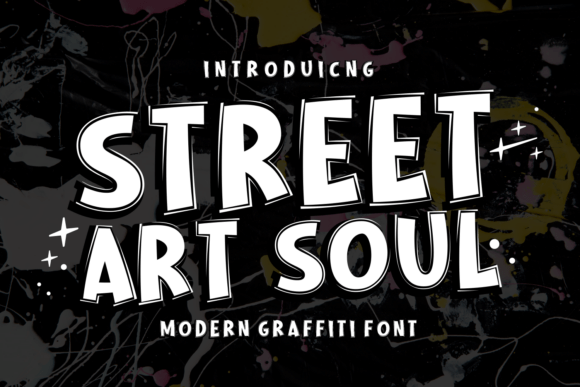
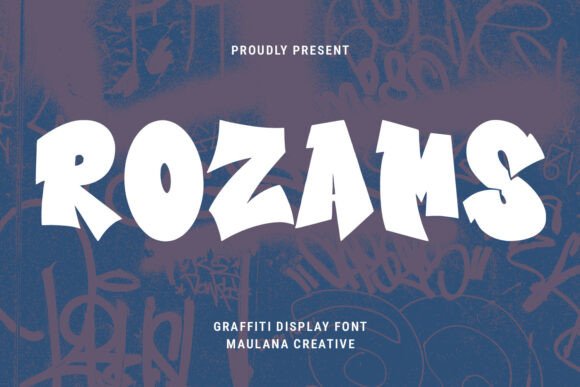
Rozams is more than just another font—it's a statement. Designed with the aesthetics of street culture in mind, it captures the spontaneity and vibrancy of graffiti art while maintaining the legibility and versatility required for modern design applications. Its thick, angular strokes and dynamic contours give it a powerful presence, making it ideal for high-impact visuals where standing out is essential.
Unlike traditional sans-serif or serif fonts that lean toward minimalism or elegance, Rozams embraces imperfection and character. Each letter is crafted to feel hand-drawn and slightly unpredictable, echoing the essence of real-world graffiti tags and murals. This authenticity resonates with audiences who value originality and reject cookie-cutter design.
Rozams in the Context of Design Trends
The rise of Rozams aligns with broader shifts in the creative and branding industries. Over the past few years, there has been a growing demand for designs that reflect individuality, cultural relevance, and emotional connection. Consumers are no longer satisfied with generic visuals—they seek authenticity, and typography plays a key role in delivering that.
In particular, streetwear, music, and youth culture have embraced bold, expressive typography as a way to communicate identity and attitude. This trend has spilled over into digital marketing, social media branding, and even mainstream advertising. Brands that want to connect with younger, more culturally aware audiences are increasingly turning to graffiti-inspired fonts like Rozams to create visuals that feel fresh, urban, and energetic.
Designing for Impact in a Visual-First World
In today’s fast-paced digital environment, attention spans are short, and visual impact is paramount. Whether it’s a poster for a hip-hop event, a streetwear brand’s packaging, or a social media graphic, the ability to capture attention in milliseconds is crucial. Rozams excels in this space by offering a visual punch that’s hard to ignore.
Designers are using Rozams to create standout headers, bold logos, and edgy promotional materials that cut through the noise. Its high contrast and stylized forms make it particularly effective at large sizes, where it can dominate a composition without sacrificing clarity.
Why Designers and Brands Are Choosing Rozams
Several factors contribute to Rozams’ growing popularity among creative professionals and entrepreneurs:
- Authentic Urban Vibe: It channels the spirit of street art without being overly stylized or commercialized.
- Versatility: While it’s rooted in graffiti, Rozams adapts well to a variety of design contexts, from print to digital.
- Brand Differentiation: In a crowded market, unique typography helps brands stand out and communicate a distinct personality.
- Emotional Resonance: The font’s raw, expressive style connects with audiences on a more visceral level than conventional fonts.
For entrepreneurs and marketers, Rozams offers a way to visually align with subcultures that value creativity, rebellion, and self-expression. It’s especially popular among startups and independent brands that want to project a bold, unconventional image without relying on overused design tropes.
Real-World Applications of Rozams
Let’s take a look at how Rozams is being used in actual design projects:
- Hip-Hop Event Posters: Promoters and event designers use Rozams to create flyers and digital ads that capture the energy of live performances and underground music scenes.
- Streetwear Branding: Clothing brands that cater to urban fashion often incorporate Rozams into their logos and packaging to reinforce their street credibility.
- Social Media Graphics: Influencers and content creators use the font in Instagram stories, TikTok visuals, and YouTube thumbnails to create a bold, youthful aesthetic.
- Urban-Inspired Packaging: Beverage and lifestyle brands use Rozams to differentiate their products on shelves with eye-catching label designs.
These examples illustrate how Rozams is not just a stylistic choice but a strategic one—helping brands and creators connect with audiences through visual storytelling that feels current and relevant.
Changing Design Preferences and Workflows
The creative landscape is shifting, and designers are adapting to new expectations around speed, flexibility, and emotional impact. In this context, fonts like Rozams offer a quick and effective way to elevate a design without requiring extensive customization.
With the rise of tools like Canva, Figma, and Adobe Express, more non-designers are creating professional-level visuals. Fonts that deliver instant visual appeal—like Rozams—help streamline the design process while still achieving high-quality results. This accessibility is a key driver behind the font’s popularity across both professional and amateur design communities.
Additionally, the growing emphasis on mobile-first design has made bold, legible typography more important than ever. Rozams, when used appropriately, maintains its impact even on smaller screens, making it a smart choice for digital-first branding strategies.
The Cultural and Technological Shifts Behind Rozams
Rozams isn’t just riding a design trend—it’s part of a larger cultural movement that values self-expression, diversity, and grassroots creativity. As digital platforms continue to blur the lines between fine art, commercial design, and street culture, typography like Rozams bridges the gap between artistic authenticity and commercial viability.
Technologically, the rise of variable fonts and improved web typography has made it easier than ever to integrate expressive typefaces into digital experiences. While Rozams may not be suitable for body text, its use in headers, banners, and branding elements is becoming more seamless across platforms and devices.
Moreover, the increasing role of AI in design tools means that font recommendations and usage are becoming more intelligent and context-aware. As these systems evolve, they’ll likely suggest fonts like Rozams for projects that require a strong visual identity and cultural resonance.
Conclusion: The Future of Typography with Rozams
As design continues to evolve alongside cultural, technological, and consumer trends, fonts like Rozams will play an increasingly important role in shaping visual communication. It’s not just about aesthetics—it’s about conveying a message, building a brand, and connecting with audiences in a meaningful way.
For professionals, entrepreneurs, and creatives, incorporating Rozams into their design toolkit is more than a stylistic decision—it’s a strategic one. Whether you’re launching a new brand, designing promotional materials, or crafting social media content, Rozams offers a powerful way to stand out and speak directly to the energy of the streets.
In a world where attention is currency, the right typography can make all the difference. Rozams doesn’t just catch the eye—it commands it. And in today’s competitive design landscape, that’s exactly what you need.