Heary: Typography Rooted in Nature
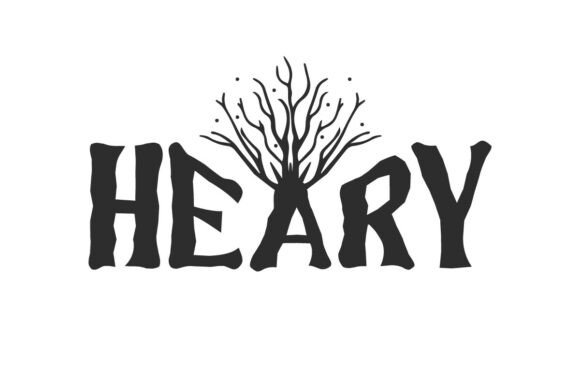
Typography shapes how we experience design. The right font can transport a viewer to a specific time, place, or even mood. Heary is one such typeface—one that feels like it was carved from the earth itself. With its textured edges, organic weight, and subtle illustrative elements like tree-branch motifs, Heary captures the spirit of the wild, the charm of the handmade, and the depth of heritage.
What Makes Heary Unique?
At its core, Heary is a decorative, hand-drawn typeface that embraces imperfection. Unlike sleek digital fonts, Heary leans into irregularities—its edges are rough, its lines organic. This gives it a tactile, almost physical presence on the page. It’s designed with a rustic aesthetic in mind, making it ideal for projects that want to evoke a sense of authenticity and natural beauty.
The typeface includes a range of illustrative elements that allow for expressive design within a single wordmark. Whether it's for a logo or a headline, Heary doesn’t just communicate a message—it tells a story.
Why Heary Resonates Across Different Audiences
Design tools often serve specific niches, but Heary has broad appeal. Its earthy character and handcrafted feel speak to a variety of creative needs and personal preferences. Here's how different users might find value in it:
Beginners: A Gateway to Expressive Typography
For those just starting out in design, typography can be intimidating. Heary simplifies the process of creating visually engaging work. Because of its expressive nature, even simple applications—like a poster or a social media graphic—feel instantly more professional and emotionally resonant. Beginners can use Heary without worrying about overcomplicating their designs.
Example: A student creating a nature-themed school project can use Heary for the title to immediately evoke a sense of place and emotion without needing advanced layout skills.
Professionals: Crafting Authentic Branding
Experienced designers understand the importance of tone and texture in visual identity. Heary allows for a more nuanced approach to branding—especially in industries that value authenticity, like outdoor gear, artisanal food, or eco-conscious products.
Example: A graphic designer working on a craft beer label can pair Heary with woodgrain textures to create a label that feels both rustic and premium, reinforcing the product’s artisanal positioning.
Creatives and Entrepreneurs: Building a Visual Narrative
For small business owners and independent creators, standing out is key. Heary helps establish a visual language that tells a story before a single word is read. Whether it’s a café that wants to evoke a forest lodge or a handmade soap brand rooted in natural ingredients, Heary becomes part of the narrative.
Example: A boutique camping outfitter can use Heary across packaging and signage to create a cohesive, immersive brand experience that feels connected to nature.
Educators and Hobbyists: Inspiring Through Design
Teachers and hobbyists often look for tools that inspire creativity while being accessible. Heary’s organic style makes it a great teaching example for understanding how typography can convey emotion and context. Hobbyists working on personal projects—like handmade cards or DIY journals—can also benefit from its expressive character.
Example: An art teacher might use Heary in a lesson on expressive typography, showing students how font choice can change the emotional tone of a message.
Key Considerations When Choosing Heary
Every design tool has its strengths and limitations. When deciding whether to use Heary, it’s important to consider your specific priorities:
- Quality & Presentation: Heary’s textured, hand-drawn look gives it a unique aesthetic that digital fonts often lack. It shines in print and digital designs where a tactile feel is desired.
- Flexibility: While Heary is highly expressive, it may not be suitable for long-form text or minimalist designs. It works best as a display font for headlines, logos, or short phrases.
- Learning Curve: For beginners, Heary is easy to incorporate into designs. However, understanding how to balance its boldness with other design elements may require some practice.
- Commercial Use: Heary is well-suited for branding and product design, especially in niche markets that value authenticity and craftsmanship.
- Long-Term Use: As design trends evolve, fonts with strong personality like Heary may have a more seasonal appeal. However, its organic roots give it a timeless quality that could outlast many passing fads.
Practical Tips for Using Heary Effectively
To get the most out of Heary, consider these practical design strategies:
- Pair with Simple Fonts: Balance Heary’s complexity by pairing it with clean slab serifs or typewriter-style fonts. This creates a contrast that enhances readability and visual interest.
- Layer with Textures: Use woodgrain, ink stamp, or paper textures to enhance the organic feel of Heary. These overlays help integrate the typeface into a broader design theme.
- Limit Its Use: Because of its strong visual presence, Heary works best as a headline or accent font. Avoid using it for body text where clarity and readability are essential.
- Explore Its Illustrative Elements: Take advantage of the built-in tree-branch motifs and other illustrative details. These can be used to create custom wordmarks or standalone graphics.
Is Heary Right for Your Project?
Not every project needs a bold, textured font like Heary. But if your work is rooted in nature, heritage, or storytelling, Heary can be a powerful tool. Whether you're a designer crafting a brand identity, a small business owner building a visual presence, or a hobbyist looking to add character to your creations, Heary offers a unique blend of authenticity and artistry.
Ask yourself: Does your project need to feel connected to the land, to tradition, or to the handmade? If yes, then Heary might just be the perfect typographic companion.