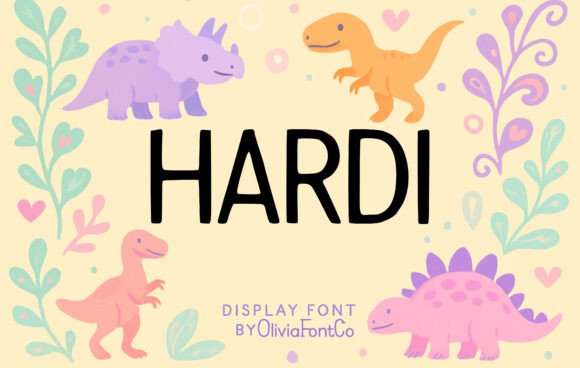
Hardi: A Font Designed to Elevate Your Creative Projects
When it comes to typography, the right font can make all the difference in how your message is received. Hardi is a versatile and legible typeface crafted to support both aesthetic appeal and functional clarity. Whether you're designing a magazine headline, a social media graphic, or a wedding invitation, Hardi's clean lines and balanced proportions make it a reliable choice across a wide range of creative applications.
Understanding the Role of Typography in Design Workflows
Typography isn't just about choosing a font that "looks good." It plays a critical role in communication, readability, and brand identity. In professional design workflows, selecting the right typeface often happens early in the planning phase. This decision influences everything from layout structure to color choices and visual hierarchy.
Hardi fits naturally into this stage by offering a flexible foundation. Its legibility at both large and small sizes means it can be used confidently in both titles and body text. Designers can move forward knowing that their typographic choice won't need to be revisited later due to readability issues or stylistic mismatches.
How Hardi Supports Different Stages of a Creative Project
Creative projects often follow a general arc: ideation, execution, and refinement. Hardi can be integrated effectively at each phase, supporting clarity and cohesion throughout the process.
Before the Project Begins
In the planning phase, designers and content creators often sketch out layouts and define visual direction. Hardi's clean, modern appearance makes it a strong candidate for mood boards and mockups. Its neutral yet distinctive character allows it to fit into a wide range of themes—whether minimalist, bold, or elegant.
When working with clients or stakeholders, presenting concepts using Hardi can help ensure that typographic choices don't distract from the core message. It's a font that supports the content rather than overshadowing it.
Durings the Creative Process
Once a project moves into the execution phase, efficiency and consistency become key. Hardi's clear letterforms and well-spaced characters help maintain readability across different platforms and formats. This is especially important when designing for both print and digital mediums.
For example, a designer working on a brand identity package might use Hardi for a logo, business cards, and website headers. Because the font maintains its legibility and style across sizes and formats, it contributes to a unified brand presence without requiring excessive adjustments.
After the Core Work is Done
In the final stages of a project—such as proofreading, formatting, or exporting files—Hardi's compatibility with design software and web platforms ensures a smooth transition. It's important that fonts render consistently across devices and browsers, especially when delivering digital assets.
Additionally, Hardi's adaptability means it can be reused in future projects without feeling outdated. This long-term usability is valuable for professionals who want to maintain a consistent visual language across their portfolios or businesses.
Integrating Hardi with Other Tools and Platforms
Typography doesn't exist in a vacuum. It interacts with layout tools, color palettes, imagery, and user interfaces. To get the most out of Hardi, it's important to consider how it integrates with the broader design ecosystem.
- Design Software: Hardi works well in Adobe Creative Suite, Figma, Sketch, and Canva, making it accessible to both professional designers and casual creators.
- Web Development: When using Hardi on websites, it's important to pair it with appropriate web-safe fallbacks or host it via services like Google Fonts or Adobe Fonts to ensure consistent display.
- Print Production: For print materials such as brochures, posters, and packaging, Hardi’s high legibility ensures that text remains clear and professional, even at smaller sizes.
By considering compatibility early, designers can avoid last-minute font substitutions that disrupt the visual flow of a project.
Practical Tips for Using Hardi in Real-World Projects
While Hardi is a versatile font, it still benefits from thoughtful application. Here are some practical suggestions for integrating it into your workflow:
- Pair with Complementary Fonts: Use Hardi for headings or body text and pair it with a contrasting font for accents or callouts. A serif or script font can add visual interest when used sparingly.
- Test Across Devices: Always preview your designs on different screens to ensure that Hardi maintains its clarity and impact.
- Use Consistent Weights: Stick to one or two weights (such as regular and bold) within a single project to maintain typographic harmony.
- Align with Brand Guidelines: If you're working on a brand identity, ensure that Hardi aligns with the brand's tone and values. Its modern yet approachable look makes it well-suited for brands that want to appear professional without being overly formal.
Use Cases Where Hardi Shines
Hardi's flexibility makes it suitable for a variety of creative applications. Here are a few examples where it can be especially effective:
- Magazine Headlines: The font’s clarity and strong visual presence make it ideal for grabbing attention on covers and article titles.
- Branding and Logos: Its clean lines and modern aesthetic lend themselves well to minimalist logos and brand identities.
- Social Media Graphics: Whether it's for Instagram stories or Facebook posts, Hardi ensures that your message is easy to read while still looking stylish.
- Wedding Invitations and Greeting Cards: The font’s elegance and legibility make it a great choice for formal or semi-formal print materials.
- T-Shirt Designs: Hardi's bold variations work well for apparel, especially when you want to make a clear, confident statement.
Maintaining Efficiency and Consistency
Consistency is a hallmark of professional design. When using Hardi across multiple projects or team members, consider creating reusable templates or style guides that define how the font should be applied. This helps maintain a cohesive look and saves time during future design sprints.
Additionally, organizing font files and ensuring they're accessible to all team members will streamline collaboration. Cloud-based design tools and asset management platforms can help with this, especially when working remotely or across departments.
Long-Term Value of Choosing the Right Font
Fonts like Hardi are more than just stylistic choices—they’re investments in the clarity, professionalism, and scalability of your creative work. By selecting a font that supports both current needs and future flexibility, you reduce the risk of needing to overhaul your visual identity down the line.
As you continue to refine your workflow, consider how Hardi can serve as a consistent typographic anchor across your projects. Whether you're a freelancer building a portfolio, a marketer designing campaign assets, or a small business owner creating branded materials, Hardi offers a reliable foundation that adapts to your evolving needs.