Great Story: A Playful Font with Serious Design Potential
What Makes Great Story Font Stand Out?
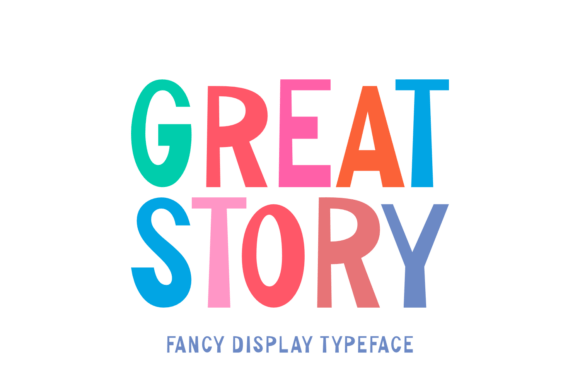
Great Story isn’t just another decorative typeface—it’s a carefully designed display font that balances whimsy with usability. Its charm comes from expressive letterforms that vary subtly in weight and width, giving each character a personality of its own. Unlike many display fonts that sacrifice readability for flair, Great Story manages to stay legible even in larger applications. This makes it a versatile choice for designers looking to inject fun without losing clarity.
While it’s undeniably playful, Great Story works best when used intentionally. It shines in situations where attention-grabbing design is key, but it’s not a one-size-fits-all solution. Knowing when and how to use it can make all the difference in your final output.
Perfect for Children’s Design Projects
One of the most natural fits for Great Story is in children’s media and products. Whether you're designing book covers, toy packaging, or educational materials, this font brings a sense of joy and approachability. Imagine a brightly illustrated book cover with a title in Great Story—it immediately feels inviting and fun, encouraging young readers to pick it up.
- Use it for storybook titles to create a warm, imaginative feel
- Apply it to toy packaging to appeal to both kids and parents
- Incorporate it into early learning apps or games to keep the tone light and engaging
Designers working in the children’s space often look for fonts that feel friendly but still communicate professionalism. Great Story walks that line well, especially when paired with clean, minimal layouts that let the font take center stage.
Capturing Attention in Marketing and Advertising
When it comes to marketing materials, standing out is everything. Great Story’s expressive forms make it ideal for bold headlines and promotional banners. It’s especially effective in campaigns targeting younger audiences or brands that want to project a sense of fun and creativity.
For example, a boutique ice cream shop launching a summer campaign could use Great Story in social media graphics and posters. The font’s bouncy, hand-crafted look complements playful visuals and makes the message feel more personal and less corporate.
However, it’s important to consider the brand tone before using Great Story in marketing. It may not be the best fit for luxury or formal brands, but for lifestyle, wellness, or creative businesses, it can be a refreshing choice.
Engaging Presentations and Digital Content
Slideshows and digital presentations often struggle with visual fatigue. Great Story can be a breath of fresh air when used sparingly in titles or key visuals. It helps break the monotony of standard sans-serif fonts and adds personality to your message.
Consider using Great Story in:
- Opening slides to set a creative tone
- Headlines for key points or quotes
- Interactive e-learning modules aimed at younger audiences
Just remember to keep body text in a more readable font. Great Story is best reserved for short bursts of text where impact matters more than long-form readability.
Weddings, Invitations, and Lifestyle Branding
From wedding invitations to boutique branding, Great Story adds a touch of charm that feels personal and handcrafted. It works especially well for events or brands that want to convey warmth, creativity, and a sense of storytelling.
For instance, a local bakery might use Great Story in its logo or social media headers to create a cozy, homemade feel. Similarly, wedding stationery designers can use the font to give invitations a romantic, whimsical touch without looking overly casual.
Its ability to blend with both modern and vintage aesthetics makes it a flexible option for lifestyle and creative industries. However, it’s important to pair it thoughtfully with other design elements to avoid a cluttered or overly busy look.
What to Consider Before Using Great Story
Despite its many strengths, Great Story isn’t a font for every situation. Here are a few practical considerations to keep in mind before using it in your next project:
- Readability: Avoid using it for long blocks of text or small sizes. It’s best suited for headlines, titles, and short bursts of text.
- Brand alignment: Make sure the tone of the font matches your brand personality. If you're aiming for a polished or formal look, this may not be the right choice.
- Spacing and layout: Because of its varying widths, Great Story may require some manual spacing adjustments to ensure visual balance.
- Format limitations: In digital applications like websites or apps, always test how the font renders across different screens and devices.
Also, consider how it pairs with other fonts in your design. Great Story works well with simple, clean sans-serif or serif fonts that let it stand out without competing for attention.
Who Benefits Most from Great Story Font?
Graphic designers, illustrators, and content creators who work with playful or expressive themes will find Great Story especially useful. It’s a go-to for those in the children’s industry, event planning, small business branding, and digital content creation.
Freelancers and small studios often appreciate its flexibility—it can be used across multiple projects without feeling repetitive. Meanwhile, educators and app developers targeting younger users may find it enhances the overall user experience by making content feel more approachable and engaging.
Even hobbyists and DIY creators working on personal projects—like handmade product labels or custom greeting cards—can benefit from the font’s expressive character and ease of use.
Final Thoughts on Using Great Story
Great Story is more than a decorative font—it’s a design tool that brings personality and charm to the right projects. When used thoughtfully, it can elevate your visual communication and create a lasting impression.
Whether you're designing a children’s book cover, a playful logo, or a presentation that needs a little extra flair, Great Story offers a unique blend of readability and whimsy. Just remember to match it with the right context, and you’ll be well on your way to creating something memorable.