Carved Pine Wood: A Rustic Font with Natural Charm
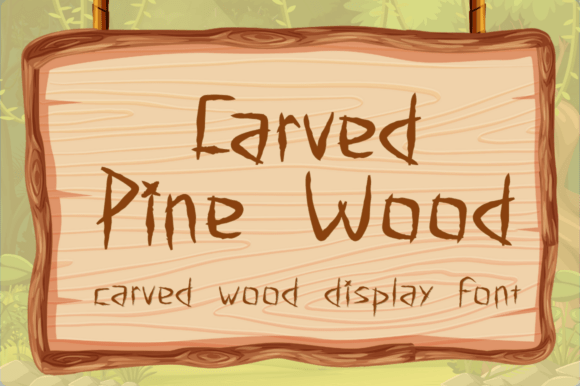
Typography plays a crucial role in visual communication, shaping how audiences perceive messages, brands, and creative projects. Among the many font styles available, Carved Pine Wood stands out as a distinctive choice for those seeking to evoke a sense of nature, craftsmanship, and nostalgia. This unique display font mimics the texture and imperfections of letters carved into wood, offering a tactile and organic aesthetic that digital typefaces often lack.
The Aesthetic Appeal of Carved Pine Wood
The visual character of Carved Pine Wood is deeply rooted in its textured strokes and uneven edges. Unlike clean, modern sans-serif fonts, this typeface embraces irregularities—subtle notches, chiseled corners, and slight variations in line weight that simulate the hand-carved process. These features contribute to a sense of authenticity and warmth, making it ideal for designs that aim to connect with natural or artisanal themes.
Designers often choose Carved Pine Wood when they want to evoke a sense of tradition, craftsmanship, or outdoor adventure. The font’s rustic charm aligns well with imagery of forests, wooden signs, and handmade goods, making it a popular option for branding in niche markets like eco-friendly products, cabin retreats, and children’s literature.
Practical Applications of Carved Pine Wood
While Carved Pine Wood may not be suitable for long blocks of body text due to its decorative nature, it shines in titles, headers, and short-form typography where visual impact is key. Here are some practical use cases:
- Adventure and Outdoor Branding: From hiking gear to campsite promotions, this font enhances the rugged and exploratory spirit of outdoor brands.
- Children’s Media and Games: Its playful and slightly whimsical appearance makes it a favorite for kid-oriented content, including book covers, toy packaging, and educational games.
- Handmade and Artisanal Packaging: For small-batch producers of jams, candles, or soaps, Carved Pine Wood can lend a handcrafted look to labels and product tags.
- Event Flyers and Posters: Whether for a forest-themed wedding, a craft fair, or a rustic music festival, this font adds a distinctive touch to printed materials.
Considerations for Effective Use
Despite its charm, Carved Pine Wood should be used thoughtfully to maintain readability and visual balance. Designers should consider the following:
- Contrast with Background: Due to its textured strokes, the font can become hard to read on busy or dark backgrounds. Opt for light or neutral tones to ensure legibility.
- Pairing with Other Fonts: For best results, pair Carved Pine Wood with clean, sans-serif fonts like Helvetica or Montserrat to create a modern-rustic hybrid style.
- Appropriate Sizing: Use this font at larger sizes for maximum effect. At smaller points, the carved details may be lost or appear cluttered.
Why Carved Pine Wood Resonates with Audiences
In a world increasingly dominated by digital minimalism, fonts like Carved Pine Wood offer a refreshing contrast. They tap into a growing desire for authenticity, sustainability, and personal touch in design. Consumers are often drawn to brands and products that feel handmade or locally sourced, and typography plays a key role in reinforcing that perception.
Moreover, the emotional resonance of wood-carved aesthetics is universal. The texture of wood carries with it a sense of history and permanence, while the act of carving implies effort and intention. These associations are subtly communicated through the font, influencing how audiences interpret the message behind it.
Comparing Carved Pine Wood to Similar Fonts
There are many rustic and handcrafted fonts on the market, but few capture the essence of real wood carving as effectively as Carved Pine Wood. Fonts like “Old Western” or “Rustic Handmade” may offer similar themes, but they often lean more toward a distressed or weathered look rather than the precise chisel marks that define this typeface.
What sets Carved Pine Wood apart is its attention to detail. The slight variations in stroke width and the presence of tool marks give it a sense of realism that generic rustic fonts lack. This makes it a more credible choice for designers aiming to communicate authenticity and craftsmanship in their work.
Incorporating Carved Pine Wood into Design Workflows
Integrating Carved Pine Wood into a design project is straightforward, especially with the availability of downloadable font files for both personal and commercial use. Most design software, including Adobe Photoshop, Illustrator, and Canva, supports custom fonts, allowing for seamless integration into a variety of media.
For digital use, ensure that the font file is properly embedded or converted to outlines to avoid display issues on different devices. When printing, consider the material and finish—using Carved Pine Wood on textured paper or wood-based materials can enhance the thematic consistency of the design.
Emerging Trends and Design Directions
As consumer preferences continue to shift toward organic and sustainable aesthetics, fonts like Carved Pine Wood are likely to gain even more traction. The trend of “biophilic design”—which emphasizes natural elements in visual communication—aligns perfectly with the font’s characteristics. Designers are increasingly using wood-inspired typography to create emotional connections between brands and their audiences.
Moreover, the rise of remote work and digital nomadism has sparked a renewed interest in rural and outdoor lifestyles. This cultural shift is reflected in branding, marketing, and editorial design, where Carved Pine Wood serves as a visual cue for simplicity, adventure, and connection to nature.
Conclusion
In summary, Carved Pine Wood is more than just a decorative font—it’s a storytelling tool that brings a sense of place and craftsmanship to any design. Whether used for branding, packaging, or promotional materials, it offers a unique blend of rustic charm and modern usability. By understanding its strengths and limitations, designers can harness its full potential to create compelling, emotionally resonant visuals.