Candy Dream: A Playful Typeface That Balances Style and Practicality
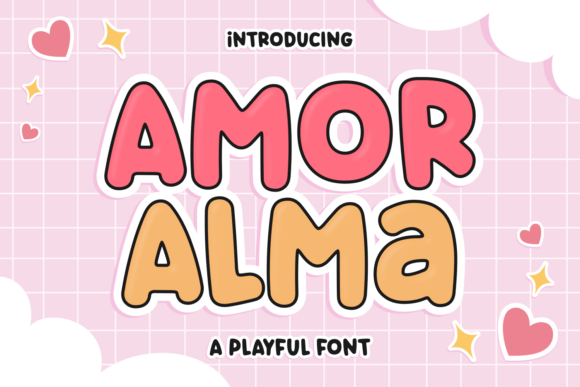
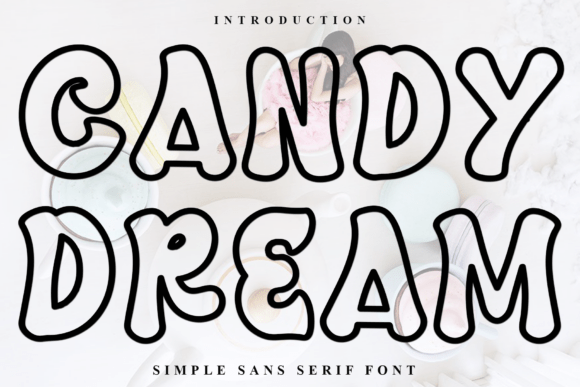
Typography plays a crucial role in visual communication, and Candy Dream stands out as a uniquely approachable option for designers looking to convey warmth, creativity, and lightheartedness. This soft, bubbly sans-serif typeface is designed with thick, rounded outlines that give it a cloud-like, pillow-soft appearance. Whether you're crafting a bakery logo, designing social media content, or branding a lifestyle product, Candy Dream offers a whimsical yet readable aesthetic that appeals to both children and adults.
Its smooth curves and absence of sharp edges make it a natural fit for projects that aim to feel welcoming and comforting. But while Candy Dream brings a lot to the table in terms of style, it also comes with specific usage considerations. Understanding how to apply it effectively—and avoiding common missteps—can make the difference between a charming design and one that feels unprofessional or misaligned with your message.
Common Mistakes When Using Candy Dream
Even the most appealing fonts can fall short when used incorrectly. Candy Dream is no exception. Below are some of the most frequent errors designers and non-designers make when working with this typeface—and how to avoid them.
1. Overusing Candy Dream in Long Text Blocks
One of the most common mistakes is using Candy Dream for body text or lengthy paragraphs. While it shines as a display font, its soft, rounded forms can reduce readability when used in extended copy. This is especially true at smaller sizes or on low-resolution screens.
Better approach: Use Candy Dream primarily for headlines, titles, or short bursts of text where visual impact matters more than readability. Pair it with a clean, legible sans serif like Open Sans or Lato for body copy to maintain a balanced visual hierarchy.
2. Ignoring Licensing Restrictions
Many designers download Candy Dream without verifying its licensing terms. Some versions may be free for personal use but require a paid license for commercial applications. Failing to comply with these rules can lead to legal issues and unexpected costs later.
Better approach: Always check the font's license before using it in any client or commercial project. Purchase the appropriate license if needed, and keep a record of your purchase for future reference.
3. Misjudging the Tone of the Project
Candy Dream’s playful, soft appearance may not align with every brand or message. For example, using it in a financial services brochure or a serious editorial piece can create a disconnect between the content and the visual tone.
Better approach: Evaluate the overall tone of your project before selecting Candy Dream. It works best for lifestyle brands, bakeries, children's products, and social media content that aims to feel warm and approachable.
4. Overly Bright or Clashing Color Choices
While Candy Dream pairs beautifully with pastel or neon palettes, choosing overly bright or mismatched colors can overwhelm the design and make it visually jarring. Some users fall into the trap of using too many contrasting hues without considering readability or background contrast.
Better approach: Stick to a cohesive color palette that enhances the font’s softness. Soft pinks, mint greens, or gentle yellows can complement Candy Dream beautifully. For a bolder look, consider using a single neon accent color against a muted background.
How to Use Candy Dream Effectively
When used correctly, Candy Dream can elevate your design and create a strong emotional connection with your audience. Here are some practical tips to ensure you're getting the most out of this whimsical typeface.
Pair It with Complementary Visual Elements
Candy Dream thrives when paired with delicate thin-line icons or hand-drawn illustrations. These elements reinforce the soft, playful tone of the font and create a cohesive visual language.
Example: A bakery logo using Candy Dream for the business name paired with a hand-drawn illustration of a cupcake or a candy cane creates a warm, inviting brand identity.
Test Across Different Devices and Sizes
Before finalizing your design, always test how Candy Dream looks across various screen sizes and resolutions. Its soft curves may not render crisply on low-resolution displays, which can affect readability and overall aesthetics.
Better approach: Preview your design on both desktop and mobile devices. If possible, print a sample to check how the font appears in physical formats.
Consider the Background
Candy Dream performs best against soft, neutral, or textured backgrounds. Using it on busy or patterned backgrounds can make the text hard to read and visually distracting.
Better approach: Opt for light, gradient, or subtly textured backgrounds to let the font stand out. If you're using a darker background, ensure there's enough contrast for the text to remain legible.
What to Check Before Downloading or Buying Candy Dream
Before you commit to using Candy Dream, take a moment to evaluate the font package and its contents. Not all font downloads are created equal, and some may lack essential character sets or stylistic variations.
- Character Set: Make sure the font includes uppercase and lowercase letters, numbers, punctuation, and special characters if you need them.
- File Formats: Look for fonts that include multiple file types (OTF, TTF, WOFF) to ensure compatibility across design software and web platforms.
- Stylistic Alternatives: Some versions of Candy Dream may include alternate glyphs or ligatures that add visual variety. Check if these are included if you plan to use the font in more detailed design work.
- Vendor Reputation: Download from reputable sources to avoid malware, incorrect licensing, or poor-quality font files.
Final Thoughts: Candy Dream Done Right
Candy Dream is a versatile and emotionally resonant typeface that, when used thoughtfully, can bring a sense of joy and warmth to your designs. It's especially effective in branding, marketing, and creative content where a touch of whimsy enhances the message rather than distracts from it.
By avoiding common pitfalls—like misjudging tone, ignoring licensing, or overusing the font—you can ensure your design remains both visually appealing and functionally effective. Always test your choices, consider your audience, and pair Candy Dream with supporting elements that enhance its strengths.
Whether you're a seasoned designer or a small business owner creating your own branding, Candy Dream offers a unique opportunity to craft something memorable and emotionally engaging. Just remember: the key to using it well is balance, intention, and attention to detail.