Break Court: Bold, Bouncy, and Built for Impact
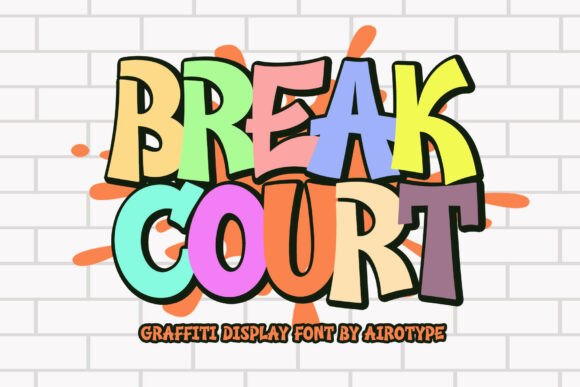
When it comes to making a visual statement, typography matters. Break Court is not just another font—it’s a high-energy, graffiti-inspired typeface that commands attention. With its bold outlines, bouncy rhythm, and urban flair, Break Court is a go-to choice for designers looking to inject personality and power into their work. Whether you're creating a streetwear brand, designing a concert poster, or crafting digital art, this font brings a unique edge that's hard to replicate.
Why Break Court Stands Out
Break Court was designed with movement and attitude in mind. Its graffiti roots are evident in the way each letter seems to leap off the page. The font combines thick, confident strokes with dynamic angles, giving it a sense of motion and energy. This makes it ideal for projects that need to feel lively and contemporary. It works especially well in urban environments—think street art, skate culture, and music branding—where authenticity and boldness are key.
Designers love Break Court for its versatility. It’s not limited to digital use; it scales beautifully for print applications like t-shirts, stickers, and posters. However, its expressive nature means it’s not a one-size-fits-all solution. Knowing how and when to use it can make all the difference between a standout design and one that falls flat.
Common Mistakes When Using Break Court
Even the best fonts can be misused. Break Court is powerful, but that power can backfire if not handled thoughtfully. Here are some of the most frequent missteps people make when working with this typeface:
1. Overusing It in Complex Layouts
Because Break Court is so visually striking, it can easily dominate a design. Using it in multiple places—like headlines, subheadings, and body text—can overwhelm the viewer. The font’s graffiti style works best when used sparingly to highlight key elements rather than filling the entire layout.
Better approach: Use Break Court for titles or short phrases. Pair it with a clean, minimalist font for supporting text to maintain balance and readability.
2. Ignoring Readability in Small Sizes
Break Court shines in large formats, but shrink it down and the intricate details can blur together. What looks sharp on a poster may become illegible on a smartphone screen or a small sticker.
Better approach: Stick to using Break Court for larger text elements. If you need to use it in smaller sizes, consider simplifying the design or using it as a decorative accent rather than the main message.
3. Not Checking Licensing Before Downloading or Buying
Fonts, like all creative assets, come with usage rights. Some versions of Break Court may be free for personal use but require a commercial license for business applications. Failing to verify this can lead to legal issues down the line.
Better approach: Always read the license agreement before downloading or purchasing Break Court. If you're using it for a client project or commercial product, make sure you have the appropriate rights.
4. Assuming It Works for Every Project
Just because a font is popular doesn’t mean it’s right for every situation. Break Court’s graffiti aesthetic makes it perfect for urban and youth-oriented brands, but it might clash with more formal or traditional designs.
Better approach: Consider the tone and audience of your project before choosing Break Court. If you're designing for a luxury brand or a corporate report, a more refined typeface may be a better fit.
What to Check Before Choosing Break Court
Before diving into your design, take a moment to evaluate whether Break Court aligns with your project's goals. Ask yourself the following:
- Is the tone of the font right for my brand or message? Break Court is bold and playful, which works well for energetic, modern, or rebellious themes.
- Will it be legible in the intended size and format? If your design requires small text or intricate details, test the font at that scale first.
- Do I have the right license for my use case? Make sure you understand the font’s licensing terms to avoid legal issues.
- How will it pair with other fonts? Choose complementary typefaces that balance out Break Court’s boldness without competing with it.
Practical Tips for Using Break Court Effectively
Now that you know what to avoid, here are some actionable strategies to get the most out of Break Court:
- Use it for impact – Let Break Court take center stage in headlines, logos, or featured text. Its graffiti energy makes it ideal for grabbing attention quickly.
- Pair it with simpler fonts – Balance the font’s complexity with a sans-serif or serif typeface for body text. This ensures your design remains readable and visually harmonious.
- Test in different contexts – Preview Break Court in various sizes, colors, and backgrounds to see how it behaves. What looks great on a white poster might not work on a dark t-shirt.
- Consider customization – Some designers tweak Break Court by adding outlines, shadows, or color gradients to enhance its graffiti feel. Just make sure these additions don’t compromise clarity.
Real-World Examples Where Break Court Shines
Seeing the font in action can help you understand its potential. Here are a few examples where Break Court delivers strong results:
- Streetwear branding: A skateboard apparel brand uses Break Court in its logo and packaging to reflect its urban, rebellious spirit.
- Music posters: Concert flyers for hip-hop or electronic music events often feature Break Court to match the high-energy vibe of the genre.
- Graffiti-inspired art prints: Artists use the font to create digital or printed artwork that mimics the look of real street art.
- Urban-themed social media graphics: Content creators use Break Court in Instagram stories and YouTube thumbnails to stand out in fast-scrolling feeds.
Final Thoughts
Break Court is more than just a graffiti font—it's a design tool that can elevate your work when used thoughtfully. Its bold, bouncy character makes it a favorite among designers who want to convey energy and confidence. But like any powerful tool, it requires a bit of care and consideration to use well. By avoiding common mistakes and testing how it works in your specific context, you can ensure that Break Court enhances your designs rather than overwhelms them.