70s Daisy: How a Retro Typeface Can Elevate Your Brand and Design Strategy
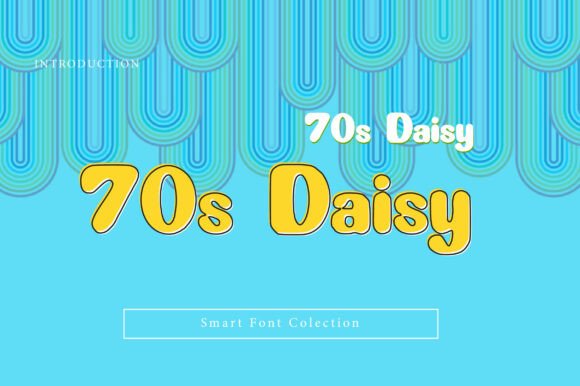
Typography is more than just letterforms—it's a language of emotion, culture, and intention. 70s Daisy stands out as a typeface that doesn’t just echo the past but brings a strategic design element to modern creative work. With its bold, rounded shapes and hollowed-out centers, it captures the essence of 1970s flower power while offering contemporary designers a tool to communicate warmth, playfulness, and authenticity.
For designers, marketers, and brand strategists, choosing the right typeface isn’t about aesthetics alone—it’s about alignment. 70s Daisy works best when its character supports the message, tone, and target audience of a project. Whether you're designing a summer festival poster or rebranding an eco-conscious product line, this font can serve as a visual anchor that evokes nostalgia without feeling outdated.
Strategic Use of 70s Daisy in Branding and Communication
The strength of 70s Daisy lies in its ability to instantly convey a mood. Its soft curves and chunky outlines are not just stylistic choices—they’re emotional cues. This makes the font especially effective for brands that want to project optimism, creativity, or a connection to nature. Eco-friendly beauty brands, organic food packaging, and children’s apparel lines have all found success using this typeface to reinforce their brand personality.
From a strategic standpoint, using 70s Daisy should be a deliberate choice, not a decorative afterthought. When integrated thoughtfully into a brand’s visual system, it can enhance recognition and emotional resonance. For example, a summer music festival might use the font across posters, social media, and merchandise to create a cohesive and memorable identity that feels both retro and current.
- Event branding: Music festivals, art fairs, and retro-themed parties benefit from the font’s playful, energetic tone.
- Eco-conscious brands: The organic, hand-drawn feel aligns well with sustainability messaging.
- Merchandise design: T-shirts, stickers, and tote bags gain a vintage charm that appeals to a wide demographic.
Planning and Positioning: When and How to Use 70s Daisy
Like any design element, 70s Daisy performs best when it's part of a broader visual strategy. Before integrating it into your project, ask: does this font support the message we want to send? Will it resonate with our audience? Is it being used consistently across touchpoints?
One of the font’s most practical advantages is its legibility despite its stylized form. The hollow centers and rounded edges make it stand out over busy backgrounds—ideal for layered compositions like album covers or social media graphics. However, this doesn’t mean it should be used indiscriminately.
- Define the tone: Is your project whimsical, nostalgic, or earthy? Ensure the font matches your brand’s voice.
- Test across formats: Preview how it looks in print, on screen, and at various sizes to ensure readability.
- Pair intentionally: Use complementary fonts for subheadings and body copy to maintain visual hierarchy.
Consider also the color palette. 70s Daisy thrives with warm, saturated tones like burnt orange, avocado green, and mustard yellow. These colors enhance the retro feel and help the font pop without overwhelming the design.
70s Daisy and Long-Term Design Value
Design trends come and go, but strategic design endures. While 70s Daisy may feel like a nod to the past, its value lies in its ability to evoke emotion and build brand familiarity. For long-term branding, this means using the font consistently but selectively. Overuse or inconsistent application can dilute its impact and make a brand feel less professional.
One way to maintain relevance is to pair it with timeless elements. For example, a boutique that uses 70s Daisy in its logo might use a clean sans-serif for product descriptions and signage. This balance ensures the brand feels both distinctive and credible.
Common Pitfalls and How to Avoid Them
While 70s Daisy is a powerful design asset, it can become a liability when used without purpose. Designers who choose it simply because it’s trendy or visually appealing—without considering its fit with the brand or message—risk creating work that feels disjointed or inauthentic.
One common mistake is using the font for body text or long-form content. Its stylized nature makes it unsuitable for extended reading. Instead, reserve it for headlines, titles, and short bursts of text where impact matters more than readability.
Another issue is over-layering. Because the font has a strong visual presence, adding too many other retro elements—like floral borders, sunbursts, and vintage textures—can make a design feel cluttered. Use restraint and let the font be the focal point.
Designing with Purpose: Making the Most of 70s Daisy
To get the most from 70s Daisy, approach it like any other brand asset: with intention, consistency, and clarity. Start by defining the emotional tone you want to convey. Then, consider how the font will function across different applications—digital, print, packaging, and beyond.
For example, a small business launching a line of natural skincare products might use 70s Daisy on product labels and social media to evoke a sense of organic warmth and authenticity. But they might pair it with a minimalist layout and clean typography in their website copy to ensure the brand feels modern and trustworthy.
Similarly, a freelance designer working on a client’s rebrand might use 70s Daisy to create a retro-inspired logo, then build a broader visual system around it with supporting fonts and colors that enhance rather than compete with the typeface.
Conclusion: A Font That Supports Strategic Design Thinking
70s Daisy is more than a throwback—it’s a design tool with strategic potential. When used thoughtfully, it can help brands connect with audiences on an emotional level, reinforce brand personality, and create memorable visual identities. But like any design element, its power lies in how it’s applied.
By aligning its use with clear goals, brand values, and audience expectations, designers and marketers can ensure that 70s Daisy contributes meaningfully to their creative output. Whether you’re crafting a vintage-style album cover or developing a brand identity for a new product line, this font offers a blend of nostalgia and functionality that can support both short-term impact and long-term brand strength.